
Mindfulness vs. Meditation: Clearing Up the Confusion
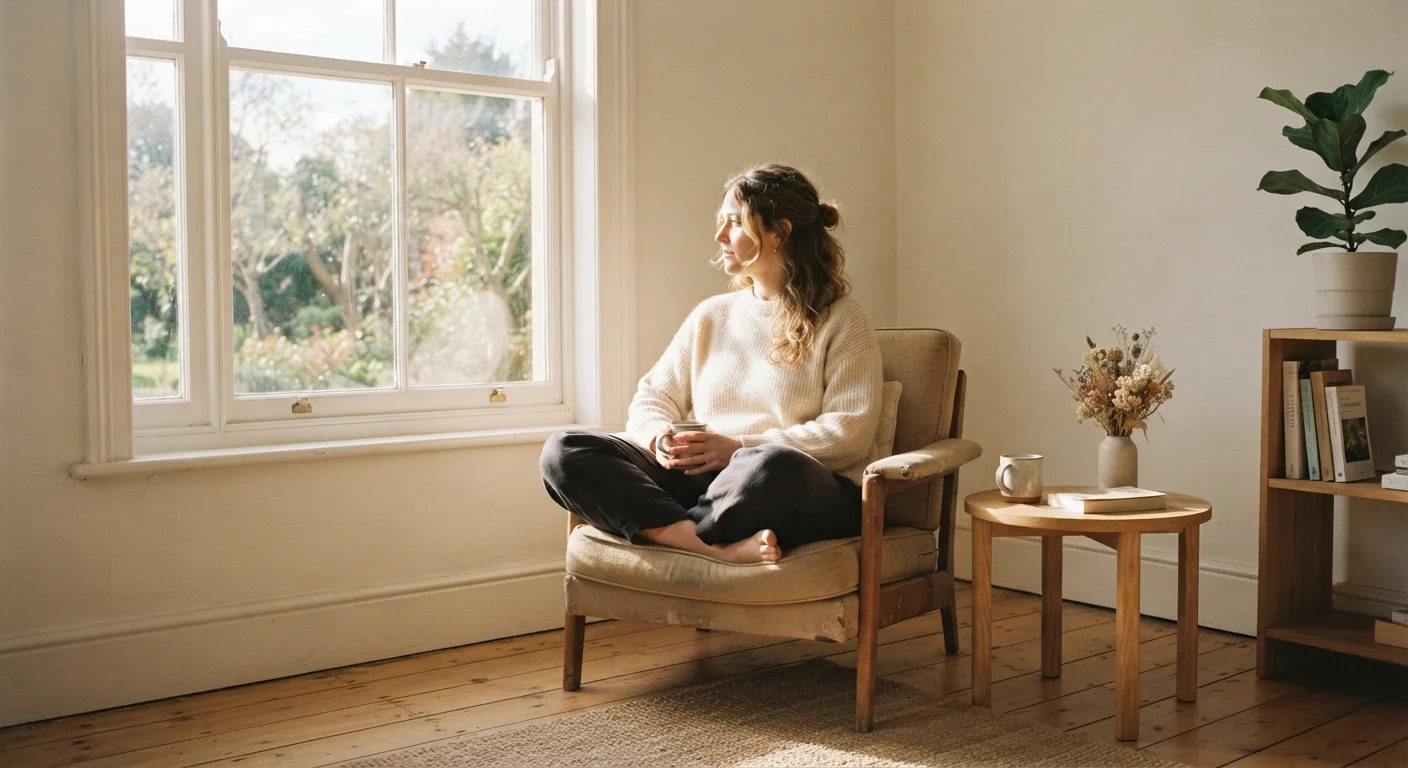
Photo credit: InGlimpse.com | Where Curiosity Finds Answers
In this article
Mindfulness and meditation are often used interchangeably, but they're not identical. See how they differ, overlap, and suit different goals and lifestyles.
Key Takeaways
- Mindfulness is a quality of present-moment awareness; meditation is a deliberate practice used to cultivate it.
- You can practice mindfulness informally throughout the day without ever sitting down to meditate.
- Many meditation styles — but not all — use mindfulness as their core technique.
- Both approaches have research-supported benefits for stress, focus, and emotional well-being.
- Neither requires special equipment, a specific belief system, or prior experience to begin.
- Choosing between them often comes down to your lifestyle, goals, and available time.
Two Terms, One Frequent Mix-Up
Scroll through any wellness app or self-help article and you'll see "mindfulness" and "meditation" used as though they mean the same thing. They don't — though the relationship between them is close enough to cause real confusion. Understanding the distinction helps you choose the right approach for your life rather than assuming one size fits all.
To put it simply: mindfulness is a mental quality — the capacity to pay attention to the present moment with openness and without judgment. Meditation is a practice — a deliberate activity you set time aside to do. Think of it this way: mindfulness is something you are, and meditation is something you do.
This matters because you can be mindful while washing dishes, walking to the car, or listening to a colleague — no cushion or timer required. Meditation, on the other hand, typically involves intentionally sitting (or lying) down and directing your attention in a specific way for a defined period. For a broader look at what mental wellness actually encompasses, see what 'mental well-being' actually means.
How They Overlap — and Where They Diverge
The overlap is real: most mindfulness-based meditation styles ask you to anchor attention on the breath, body sensations, or sounds — all present-moment anchors. So when someone says they "do mindfulness," they often mean a specific style of meditation that uses mindfulness as its primary tool.
But meditation is a much broader category. Loving-kindness meditation cultivates compassion rather than neutral awareness. Visualization practices use mental imagery. Transcendental Meditation uses a repeated mantra. These are all meditation, but they aren't all mindfulness in the strict sense.
| Criterion | Mindfulness | Meditation |
|---|---|---|
| What it is | A quality of present-moment awareness | A structured mental practice or exercise |
| When it happens | Any time, during daily activities | During a dedicated, set-aside session |
| Time required | No dedicated block needed | Typically 5–45 minutes per session |
| Styles / forms | Informal awareness, mindful eating, etc. | Breath focus, loving-kindness, mantra, body scan |
| Learning curve | Low — can start immediately | Moderate — benefits from guidance or instruction |
| Core mechanism | Noticing thoughts and sensations without judgment | Intentionally training attention and awareness |
| Can one exist without the other? | Yes — no meditation required | Yes — some styles don't use mindfulness |
Similarly, mindfulness extends far beyond formal sessions. A brief pause before a difficult conversation, noticing the taste of your morning coffee, or consciously setting aside your phone during dinner — these are all expressions of mindfulness that require zero meditation experience.
What the Research Actually Shows
Both practices have attracted substantial scientific attention. Mindfulness-Based Stress Reduction (MBSR), an eight-week structured program developed at the University of Massachusetts Medical School, blends both formal meditation and informal mindfulness practice — and has been widely studied for its effects on perceived stress, anxiety, and pain.
8 weeks
Duration of MBSR program studied most extensively
The Mindfulness-Based Stress Reduction program developed at UMass Medical School runs eight weeks and combines formal meditation with informal mindfulness practice.
~14%
U.S. adults who reported meditating in 2017
According to the CDC's National Health Interview Survey, the share of U.S. adults who practiced meditation tripled between 2012 and 2017.
3x
Growth in U.S. adult meditation practice 2012–2017
The CDC's 2017 National Health Interview Survey found meditation use among U.S. adults grew approximately threefold over the prior five years.
Research into meditation more broadly — including focused-attention styles and open-monitoring approaches — suggests benefits for attention regulation, emotional reactivity, and sleep quality. However, it's worth noting that study quality varies widely in this field, and effects differ by individual, practice style, and consistency.
The honest takeaway: the evidence is encouraging, not conclusive. Both practices are safe for most people to explore, but they're tools to support well-being — not replacements for professional mental health care. If you're managing a diagnosed condition, always consult a qualified healthcare provider before adding new wellness practices to your routine.
Choosing the Practice That Fits Your Life
There's no hierarchy here. Informal mindfulness isn't a lesser version of meditation — for many people it's the more sustainable path. The right choice depends on your goals, schedule, and temperament.
If you find it difficult to sit still or carve out uninterrupted time, starting with mindful moments woven into existing routines can build the mental muscle of attention gradually. If you thrive on structure and enjoy the feeling of a defined practice, a short daily meditation session — even five to ten minutes — may suit you better.
Many people find that the two reinforce each other naturally over time: informal mindfulness makes it easier to settle into formal meditation, and meditation deepens the quality of everyday awareness. Writing and reflection can further support this process — see how journaling for emotional clarity complements these practices.
This article is for general informational and educational purposes only and does not constitute medical or mental health advice. If you have concerns about your mental health, please consult a qualified healthcare professional.

Author
Health Editorial Team
Health Editorial Team is the collective byline for our editorial team and contributor network. Articles published under this byline or an editorial pen name are researched, written, and reviewed according to our editorial standards for clarity, consistency, and independence before publication.
View all articles →