
Scalp Health Is Hair Health: What the Research Shows
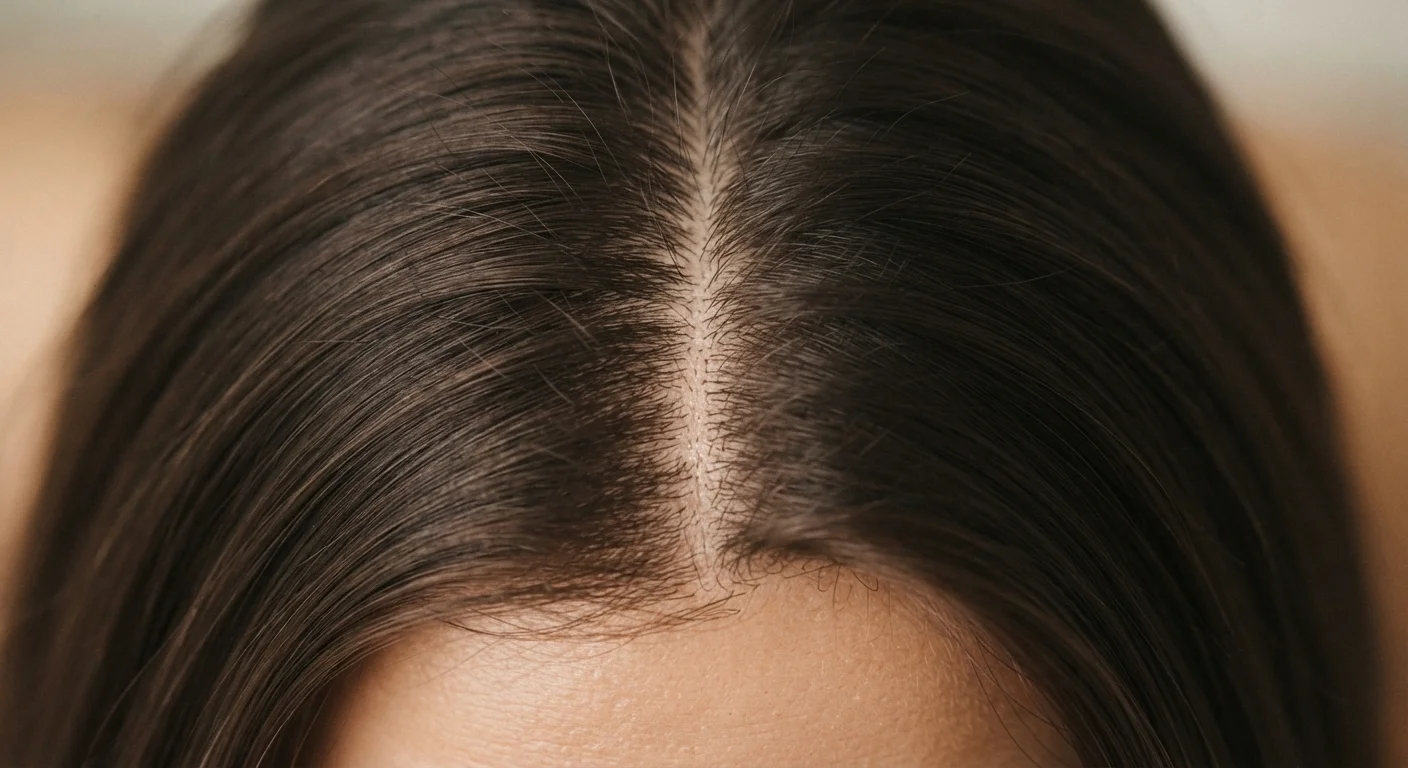
Photo credit: InGlimpse.com | Where Curiosity Finds Answers
In this article
A healthy scalp is the foundation of healthy hair. Explore what affects scalp condition and how routine care supports stronger strands.
Key Takeaways
- The scalp is living skin that requires regular, thoughtful care just like the rest of your body.
- Sebum, pH balance, and microbial diversity all play measurable roles in scalp and hair condition.
- Over-washing or under-washing can both disrupt the scalp's natural equilibrium.
- Inflammation at the scalp level can affect hair follicle function and, over time, hair density.
- Most scalp concerns respond well to consistent, evidence-informed routine adjustments.
Why the Scalp Deserves Attention
Most hair care conversations focus on the strand — shine, strength, moisture, frizz. But healthy hair is built below the surface, inside follicles embedded in the scalp's dermal layer. The scalp is skin: it has pores, sebaceous glands, an immune response, and a microbiome. When any of those systems fall out of balance, the hair that grows from them can reflect it.
Research published in dermatology literature consistently links scalp inflammation — even low-grade, subclinical inflammation — to disruptions in the hair growth cycle. This means what happens on the skin of your head isn't cosmetic window dressing; it's foundational. For a broader perspective on how scalp care fits into an overall routine, explore our full-spectrum hair care resource.
~80%
Adults who experience scalp issues at some point
Dermatological surveys consistently estimate that the vast majority of people encounter at least one scalp condition — such as dandruff, dryness, or excess oiliness — during their lifetime.
4.5–5.5
Healthy scalp pH range
This mildly acidic range, supported by dermatological research, is optimal for maintaining the scalp's protective barrier and microbial balance.
~100,000
Hair follicles on the average human scalp
Each follicle is an individual structure supported by blood vessels and sebaceous glands, underscoring how much biological activity the scalp manages daily.
The Key Factors That Influence Scalp Condition
Several biological and environmental variables shape the scalp's daily functioning:
- Sebum production: The sebaceous glands attached to each follicle secrete sebum, an oily substance that lubricates the scalp and hair shaft. Too little leads to dryness and brittleness; too much can clog follicles and create an environment where certain microbes proliferate.
- pH balance: A healthy scalp maintains a mildly acidic pH (roughly 4.5–5.5). Harsh cleansers can shift this, weakening the skin barrier and increasing susceptibility to irritation.
- Microbial diversity: Like the gut, the scalp has its own microbiome — a community of bacteria and fungi. Disruptions to this ecosystem are associated with conditions like dandruff and seborrheic dermatitis.
- Blood circulation: Follicles are supplied by blood vessels. Healthy circulation delivers the oxygen and nutrients follicle cells need to produce hair fiber.
Start With Your Scalp, Not Your Strands
When shampooing, focus the product and massage on the scalp itself rather than working lather through the length of your hair. This targets where buildup actually occurs and avoids unnecessarily drying out hair fibers. The rinse-out process carries cleansing agents through the length adequately on its own.
How Routine Care Affects Scalp Health
Cleansing frequency is one of the most discussed — and most misunderstood — aspects of scalp care. Washing too often can strip the scalp's natural oils, triggering compensatory sebum overproduction or leaving skin dry and reactive. Washing too infrequently allows buildup of sebum, dead skin cells, and product residue that can block follicles and fuel microbial imbalance.
Finding the right rhythm matters. Understanding the science behind wash frequency can help you identify a schedule that matches your scalp's actual needs rather than habit or marketing.
Beyond cleansing, physical scalp stimulation — through gentle massaging during washing or dedicated massage sessions — may support circulation. Some studies have noted modest effects on hair thickness with consistent massage over weeks. While promising, this research is still limited in scale and shouldn't be overstated.
Building Scalp Care Into Your Routine
Integrating scalp-aware practices doesn't require a complete overhaul. A few consistent habits make a measurable difference over time:
- Choose pH-balanced cleansers suited to your scalp type — not the same product you use for your face or body.
- Rinse thoroughly to remove all product residue, which is a common but underappreciated source of scalp irritation.
- Minimize mechanical stress — tight hairstyles worn repeatedly can create traction on follicles over time.
- Pay attention to patterns — increased shedding, persistent itch, or visible changes in the scalp's texture are signals worth responding to.
If you're building a hair care routine from the ground up, folding scalp awareness in from the start is far easier than correcting problems later.
“The scalp is an extension of the skin, and it deserves the same thoughtful attention we give to facial skin care. Ignoring it until problems appear means starting from a deficit.”
— Board-Certified Dermatologist, Specialist in hair and scalp disorders, frequently cited in dermatology education materials
This article is for informational purposes only and does not constitute medical advice. If you have persistent scalp concerns or significant hair loss, consult a qualified dermatologist or healthcare professional.
Frequently Asked Questions

Author
Style Editorial Team
Style Editorial Team is the collective byline for our editorial team and contributor network. Articles published under this byline or an editorial pen name are researched, written, and reviewed according to our editorial standards for clarity, consistency, and independence before publication.
View all articles →