
Keeping Your Dishwasher Running Well: Maintenance Habits That Actually Help
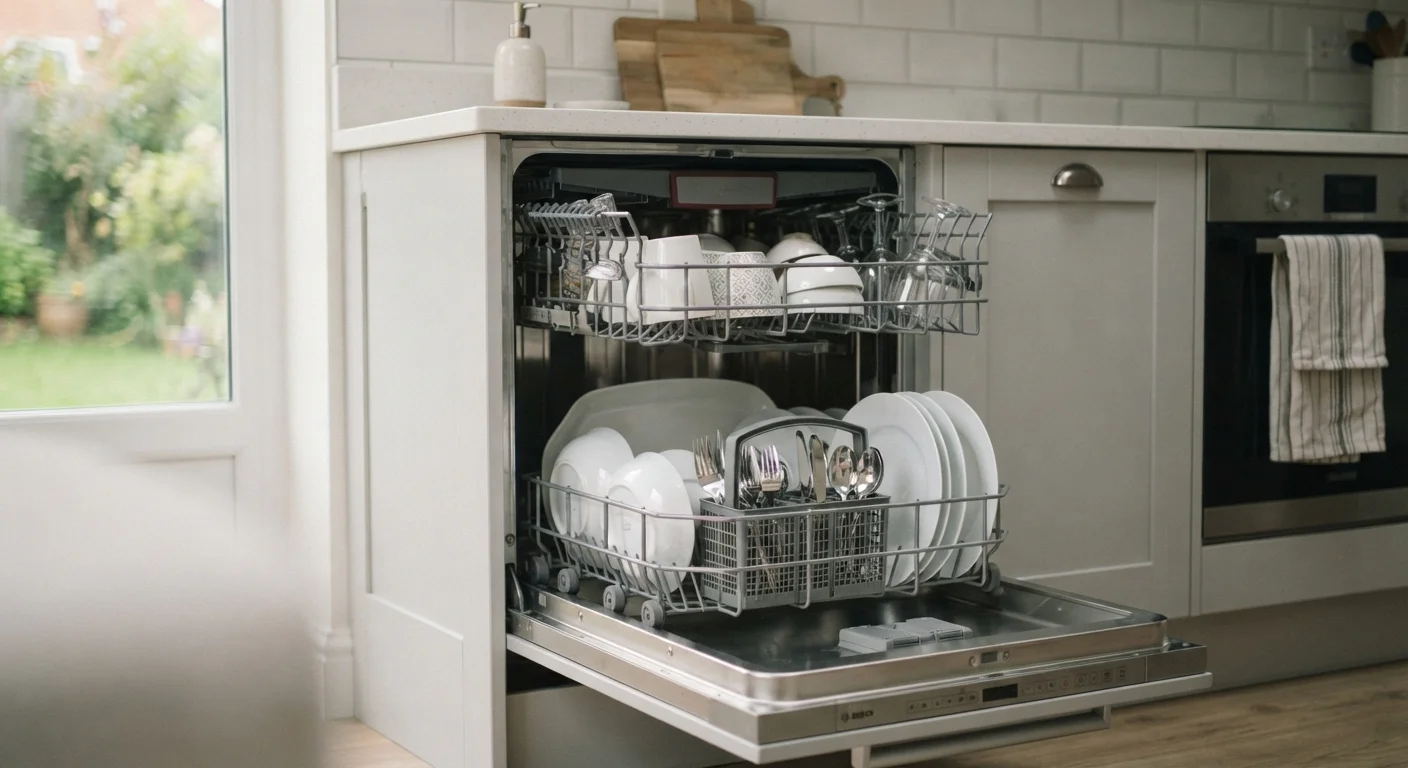
Photo credit: InGlimpse.com | Where Curiosity Finds Answers
In this article
A few simple routines—cleaning filters, checking spray arms, using rinse aid correctly—can meaningfully extend your dishwasher's working life.
Key Takeaways
- Cleaning the filter monthly is one of the most impactful dishwasher maintenance steps you can take.
- Blocked spray arms are a leading cause of poor wash performance and are easy to clear yourself.
- Rinse aid is not optional — it actively helps drying and prevents water spots and residue buildup.
- Running a monthly cleaning cycle with a dishwasher cleaner removes grease and mineral deposits from hidden components.
- Dishwashers typically last 9–12 years; consistent maintenance keeps them closer to the higher end of that range.
Why Dishwasher Maintenance Is Worth Your Time
Most homeowners think about the dishwasher only when it stops performing — cloudy glasses, standing water, or a musty smell. By then, neglect has usually been building for months. The good news is that a dishwasher is one of the more forgiving appliances to maintain: a handful of simple habits, done consistently, can meaningfully extend its working life and keep it cleaning properly throughout.
Dishwashers typically last between 9 and 12 years, according to appliance industry data. Where yours lands in that range depends largely on how well it's cared for. For a fuller picture of expected lifespans across your home's appliances, see our guide to appliance lifespans. This article focuses on the specific routines that actually make a difference — not busywork.
Check Your Owner's Manual First
Maintenance steps vary slightly between dishwasher designs. Some filters twist out; others require a quarter-turn and lift. Some spray arms unclip; others unscrew. Your owner's manual — often available as a PDF from the manufacturer's website if you've lost the paper copy — shows exactly how your specific model is accessed. It takes two minutes to find and can save you from accidentally breaking a component.
Core Maintenance Practices That Actually Move the Needle
These habits address the most common causes of dishwasher decline: clogged filters, blocked spray arms, mineral buildup, and worn door seals. Work through them and you'll cover the vast majority of preventable problems.
Clean the filter every month — or more often if you run the dishwasher daily.
The filter catches food particles that would otherwise recirculate onto dishes or clog the drain pump. A clogged filter is the single most common cause of poor wash results and unpleasant odors. Most modern dishwashers have a removable cylindrical filter at the base of the tub that takes under two minutes to rinse clean.
Inspect and clear spray arm holes every two to three months.
Spray arms distribute water throughout the dishwasher during a cycle. Hard water minerals, small food particles, and detergent residue can gradually block the small holes, reducing water pressure and leaving items in certain rack positions consistently dirty. Blocked arms mean the motor is running but water isn't reaching where it needs to go.
Use rinse aid consistently and keep the dispenser filled.
Rinse aid reduces surface tension during the final rinse, which allows water to sheet off dishes rather than bead and dry as spots. It also actively improves drying performance, especially for plastic items. Without it, mineral deposits from tap water accumulate on dishes and on the interior of the dishwasher over time.
Run a cleaning cycle with a dishwasher cleaner once a month.
Even with regular filter cleaning, grease, mineral scale, and detergent residue build up on the interior walls, heating element, and pump over time. A dedicated dishwasher cleaner — used on an empty machine on a hot cycle — reaches areas that manual cleaning doesn't. This keeps the interior sanitary and prevents buildup from affecting mechanical components.
Check the door gasket periodically for cracks, mold, or debris accumulation.
The rubber seal around the door keeps water inside during a cycle. When it cracks, stiffens, or accumulates mold and debris, it can allow leaks and may let odors escape. Catching gasket deterioration early means a straightforward cleaning or seal replacement rather than water damage to nearby cabinetry.
Quick Wins You Can Do Today
Not every maintenance step requires setting aside a Saturday afternoon. Several of the most effective actions take five minutes or less. Start here if you haven't done any dishwasher upkeep in a while.
Keeping up with your dishwasher isn't so different from the routine care that helps other appliances — and other household items — last longer. The same logic applies whether you're extending the life of clothing or reducing how hard your appliances work overall.
Common Mistakes That Shorten Dishwasher Life
Maintenance isn't just about what you do — it's also about what you stop doing. A few habits quietly cause wear that adds up over time.
Hard Water Changes the Maintenance Equation
Homes with hard water — water that carries high levels of dissolved calcium and magnesium — will see mineral scale build up faster on spray arms, the heating element, and interior walls. If your home has hard water, consider cleaning the filter every two to three weeks rather than monthly, and run a cleaning cycle with a citric-acid-based cleaner to dissolve scale more effectively. A water softener or dishwasher salt (where the appliance supports it) can also reduce the rate of buildup.
Overloading racks is one of the most common issues. Cramming in too many items blocks water circulation, which means dishes don't get clean and the pump works harder than necessary. Follow the loading pattern shown in your owner's manual — it exists for a reason.
Skipping pre-scrape on heavily soiled dishes allows large food debris to accumulate in the filter faster, requiring more frequent cleaning. You don't need to pre-rinse thoroughly — modern dishwashers are designed to handle normal food residue — but scraping off bones, seeds, and large chunks protects the filter and drain pump.
Using too much or too little detergent causes problems in both directions: excess detergent leaves residue on dishes and interior surfaces, while too little means poor cleaning that prompts you to run cycles twice, wasting water and energy. Check your detergent's guidelines for your water hardness level and cycle type. For broader strategies on lowering appliance energy use, see our practical approaches to appliance efficiency.

Author
Home Editorial Team
Home Editorial Team is the collective byline for our editorial team and contributor network. Articles published under this byline or an editorial pen name are researched, written, and reviewed according to our editorial standards for clarity, consistency, and independence before publication.
View all articles →