
How Appliance Age Affects Home Insurance Claims
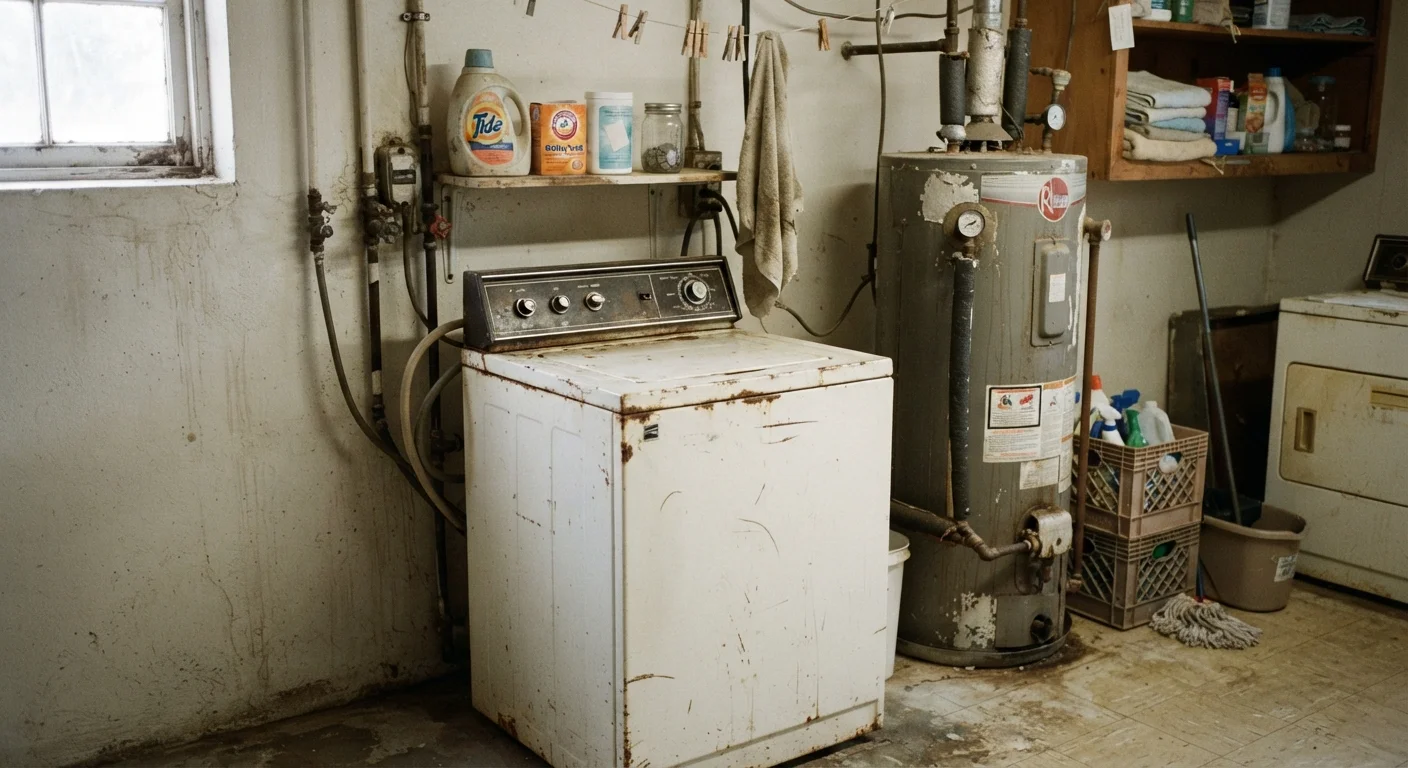
Photo credit: InGlimpse.com | Where Curiosity Finds Answers
In this article
Older appliances can complicate insurance claims after water damage or fire. Understand how insurers generally assess appliance-related losses.
Key Takeaways
- Appliance age directly influences depreciation calculations in most home insurance claims.
- Actual Cash Value policies reduce payouts for older appliances; Replacement Cost Value policies generally do not.
- Insurers may deny claims if an old appliance caused damage due to neglected maintenance.
- Knowing your appliances' ages and keeping maintenance records can support a stronger claim.
- Reviewing your policy type before a loss — not after — is the most actionable step homeowners can take.
Why Appliance Age Is an Insurance Factor
Home insurance is designed to cover sudden, unexpected losses — not the slow decline of aging equipment. When an appliance is at the center of a claim, insurers look at its age as one signal of how much the loss is actually worth and whether the damage was truly unforeseeable.
Two scenarios trigger most appliance-related claims: water damage (from failing hoses, supply lines, or internal components) and fire or electrical damage. In both cases, adjusters may factor in the appliance's age when determining liability and payout amounts.
If you're moving into a home with inherited equipment, it's worth understanding what you've got. Our guide to inspecting appliances in a new home walks through what to prioritize before a problem develops.
Coverage Varies Widely by Policy and Provider
There is no universal rule about exactly how much appliance age reduces a payout — depreciation schedules and claim handling practices differ across insurers. Some policies include specific exclusions for appliances over a certain age; others do not. The only reliable way to understand your exposure is to read your policy documents and speak directly with your agent.
Actual Cash Value vs. Replacement Cost Value
The single most important variable in an appliance-related claim isn't the appliance itself — it's the type of coverage you carry.
- Actual Cash Value (ACV): Pays what the appliance was worth at the time of loss, after depreciation. An older appliance may yield a very small settlement, even if the resulting water or fire damage is extensive.
- Replacement Cost Value (RCV): Covers what it would cost to replace the appliance with a comparable new model, without depreciation deductions. Premiums are typically higher, but payouts reflect real-world replacement costs.
Many homeowners assume their policy provides RCV coverage without confirming it. Reading your declarations page — or calling your agent to ask directly — is the only way to know for certain.
~29%
Of home insurance claims involve water damage
Water damage and freezing consistently rank among the most common home insurance claim categories, according to industry data from the Insurance Information Institute.
8–12 years
Typical lifespan of a residential water heater
The U.S. Department of Energy and appliance industry sources cite this general range for tank-style water heaters, illustrating how quickly an appliance can reach end-of-life in insurers' calculations.
Maintenance Neglect and Claim Denials
Age alone rarely disqualifies a claim, but age combined with evidence of neglect often does. Insurers are looking for whether the damage was sudden and accidental or the predictable outcome of a known, deteriorating condition.
Common reasons insurers deny appliance-related claims include:
- Visible corrosion or rust on supply lines that went unaddressed
- Repeated minor leaks that were patched but not properly repaired
- Failure to replace appliances or components at the end of their rated lifespan
- No maintenance records for appliances requiring periodic service (such as water heaters)
This is one area where the repair-or-replace decision carries real insurance implications — not just financial ones. Keeping an aging appliance running past its expected lifespan may save money in the short term but could complicate a future claim.
Keep a Simple Home Appliance Log
A basic spreadsheet listing each major appliance's brand, model number, purchase date, and any service or repair history takes minutes to create and can significantly streamline a claim. Store it somewhere accessible — a cloud folder or email to yourself works fine. Include photos of serial number plates for appliances that are hard to move.
What Homeowners Can Do Before a Loss Occurs
The best time to understand your insurance coverage is before anything goes wrong. A few practical steps can put you in a stronger position if you ever need to file a claim:
- Document appliance ages. Keep a simple log — brand, model, purchase date — for major appliances. Serial numbers can also help establish manufacture dates if purchase records are lost.
- Review your policy type. Confirm whether your policy pays ACV or RCV for personal property and structural components. Ask your agent specifically about appliance-related water damage scenarios.
- Schedule routine maintenance. Insurers view maintenance records favorably. Annual inspections for water heaters, washing machine hoses, and HVAC systems show you're managing the risk proactively.
- Replace aging components on schedule. Washing machine supply hoses, for example, are commonly recommended for replacement every five years regardless of visible condition.
It's also worth knowing the limits of manufacturer warranties and service plans, since those are separate from insurance entirely. Our overview of what appliance warranties typically cover explains where warranty protections end and insurance begins.
Finally, don't let common misconceptions about appliances lead you to underestimate risk. The myths that lead homeowners astray — such as assuming newer-looking appliances are safer — can affect both purchasing decisions and insurance preparedness.
This article provides general information about home insurance concepts and is not a substitute for personalized advice from a licensed insurance agent or adviser. Coverage terms, exclusions, and claim outcomes vary by policy and provider. Always review your actual policy documents and consult a qualified professional for guidance specific to your situation.
Frequently Asked Questions

Author
Home Editorial Team
Home Editorial Team is the collective byline for our editorial team and contributor network. Articles published under this byline or an editorial pen name are researched, written, and reviewed according to our editorial standards for clarity, consistency, and independence before publication.
View all articles →