
Nutrition Myths That Keep Tripping People Up
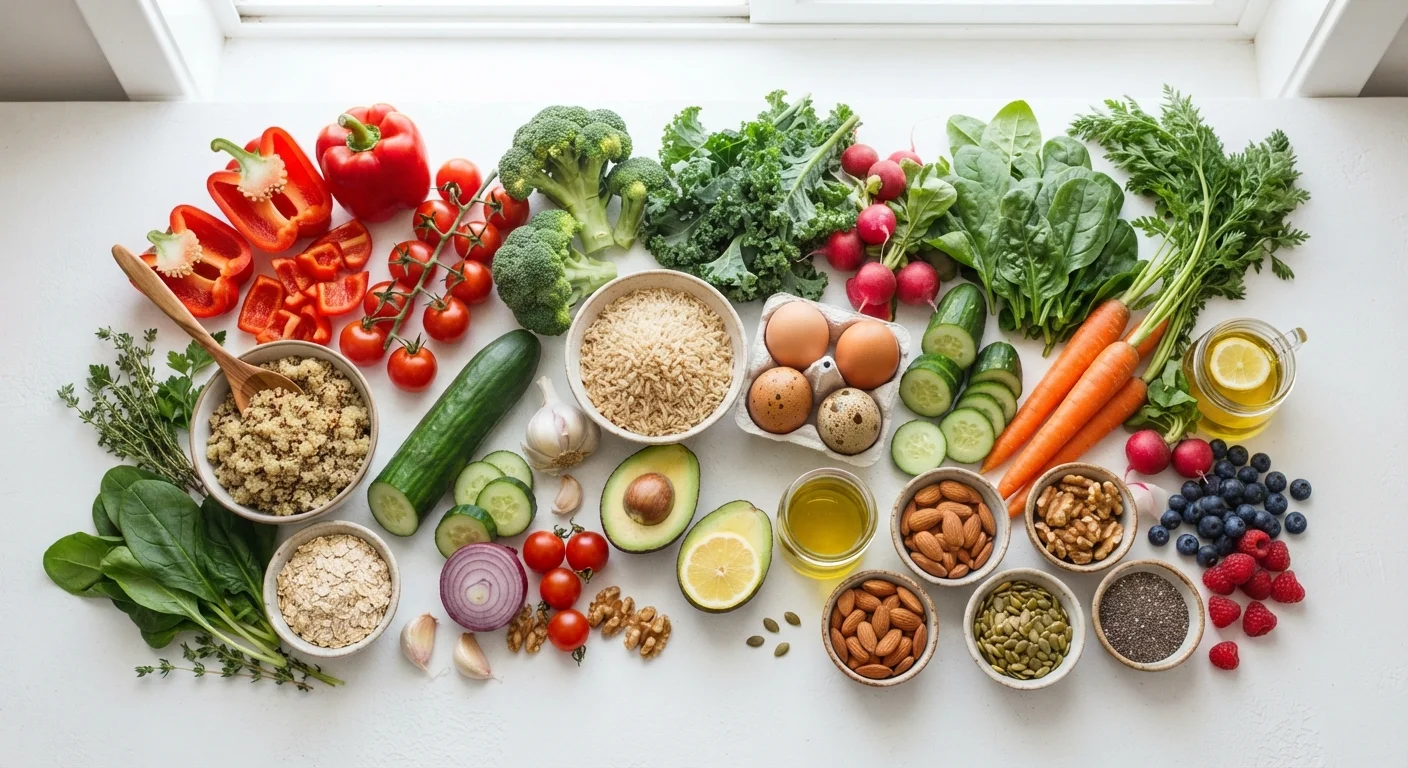
Photo credit: InGlimpse.com | Where Curiosity Finds Answers
From "carbs make you fat" to "detox diets cleanse your body"—separating nutrition fiction from evidence-based fact.
Key Takeaways
- Carbohydrates are not inherently fattening — food quality and overall calorie balance matter more.
- Detox diets have no scientific basis; your liver and kidneys handle detoxification naturally.
- Eating fat does not directly cause body fat gain; dietary fat is essential for health.
- Skipping meals does not reliably speed up weight loss and can backfire for many people.
- "Natural" on a food label does not mean safe, healthy, or nutritious.
- Protein needs vary by person; most healthy adults do not require supplements to meet them.
Why Nutrition Myths Persist
Nutrition advice is everywhere — social media feeds, podcast clips, grocery store packaging — and much of it contradicts what researchers have spent decades establishing. The result is widespread confusion about foods many people eat every day. Myths thrive because they often contain a grain of truth, get repeated by influential voices, or tap into fears about weight and health. Understanding where they go wrong is a practical skill worth building. If you're new to evaluating nutrition guidance, our beginner's guide to nutrition offers a solid foundation before diving into the details.
Myth
Carbs make you fat, so cutting them is the fastest path to weight loss.
Fact
Carbohydrates do not cause fat gain on their own — excess calories from any source contribute to weight change.
The carbohydrate-as-villain narrative gained traction through popular low-carb diets, but the underlying physiology is more nuanced. Carbohydrates are the body's preferred energy source, fueling the brain, muscles, and organs. Weight change is determined by overall energy balance, not by any single macronutrient. Low-carb diets can produce early weight loss largely through water loss tied to glycogen depletion, but long-term outcomes depend on total dietary pattern and sustainability. Whole-food carbohydrate sources — legumes, whole grains, fruits, and vegetables — also deliver fiber and micronutrients that refined alternatives lack.
Myth
Detox diets and cleanses flush harmful toxins from your body.
Fact
The liver, kidneys, and other organs continuously filter and eliminate waste — no commercial cleanse is needed or proven to enhance this process.
"Detox" is one of the most commercially exploited terms in nutrition. The human body has an elaborate, built-in detoxification system: the liver chemically transforms harmful substances, the kidneys filter blood and produce urine, and the digestive tract removes waste. No peer-reviewed evidence supports the claim that juice cleanses, herbal teas, or fasting protocols remove toxins beyond what these organs already accomplish. Products marketed as detoxifying typically cannot specify which toxins they target, because no evidence demonstrates a meaningful effect. Staying well-hydrated, eating adequate fiber, and limiting alcohol supports these systems — no cleanse required.
Myth
Eating fat makes you fat.
Fact
Dietary fat is essential for hormone production, vitamin absorption, and cell function — consuming fat does not directly translate to body fat gain.
This myth became widespread following low-fat dietary guidelines in the 1980s and the food industry's subsequent push for fat-free products. In reality, fat is a macronutrient your body requires. It supports absorption of fat-soluble vitamins (A, D, E, and K), contributes to satiety, and is involved in hormone synthesis. Where the evidence does draw distinctions is in fat type: unsaturated fats found in nuts, seeds, avocado, and fatty fish are associated with cardiovascular benefit, while trans fats (now largely removed from the US food supply) have been linked to harm. Caloric density matters, but fat itself is not the enemy.
Myth
Skipping meals boosts your metabolism and accelerates weight loss.
Fact
Meal skipping does not reliably increase metabolic rate and can lead to compensatory overeating for many people.
The logic seems intuitive — eat less often, consume fewer calories. But metabolism does not simply accelerate when meals are skipped. For some people, missing meals leads to stronger hunger cues later in the day, driving larger portions or less deliberate food choices. Research on intermittent fasting shows mixed results: some structured approaches may support modest weight management for certain individuals, but skipping meals haphazardly is not the same as a planned eating protocol. Individual responses vary considerably, and anyone with blood sugar regulation concerns, a history of disordered eating, or a chronic condition should discuss eating patterns with a healthcare provider before making significant changes.
Myth
If a food is labeled "natural," it's healthy.
Fact
"Natural" has no standardized regulatory definition in food labeling and provides no reliable indication of nutritional quality.
The word "natural" appears on countless packages, but the U.S. Food and Drug Administration has noted that it does not have a formal definition that comprehensively addresses nutritional content or health benefit. Sugar, refined flour, and high-sodium ingredients can all appear in products labeled natural. Meanwhile, a food without the label can be nutritious and minimally processed. Evaluating a food's nutrition facts panel and ingredient list provides far more reliable information than front-of-package claims. Learning to read past marketing language is one of the most practical skills in applied nutrition literacy.
Myth
You need protein supplements to build muscle or meet daily protein needs.
Fact
Most healthy adults who eat a varied diet — including plant-based eaters — can meet protein needs through whole food sources alone.
The supplement industry has successfully tied protein powders to fitness identity, but for the majority of people, supplementation is not necessary to meet daily protein requirements. Protein is abundant in foods including meat, poultry, fish, eggs, dairy, legumes, tofu, tempeh, and whole grains. Needs do increase with regular resistance training and change across life stages, but the baseline for most healthy adults is achievable through food. Supplements can be a convenient option in specific contexts, but they carry cost and are regulated less strictly than food and pharmaceutical products. Consulting a registered dietitian can clarify whether supplementation adds value for your individual situation.
The Bigger Picture: What the Evidence Actually Supports
Correcting myths is only part of the work. What matters most is building an overall eating pattern grounded in evidence rather than trend cycles. Across decades of research, a few principles hold up consistently: dietary variety supports nutrient adequacy, whole and minimally processed foods tend to provide more fiber and micronutrients, and no single food or nutrient is solely responsible for health outcomes. Understanding what carbs, protein, and fat actually do in the body makes it far easier to evaluate the next viral nutrition claim before it changes your grocery list.
9 in 10
Americans falling short of vegetable intake recommendations
Dietary Guidelines for Americans data consistently show the vast majority of U.S. adults do not meet daily vegetable targets.
~5%
Of U.S. adults meeting daily fiber intake goals
Research published in the American Journal of Lifestyle Medicine found fiber deficiency to be widespread across virtually all age and demographic groups in the U.S.
$50B+
Annual U.S. dietary supplement industry revenue
According to the U.S. Government Accountability Office, the supplement market is large and rapidly growing despite limited federal pre-market review of products.
Fiber is one concrete example of a nutrient where the gap between evidence and eating habits is measurable. Most Americans fall well short of recommended intakes, yet research consistently links adequate fiber consumption to improved digestive health and reduced cardiovascular risk. Our article on dietary fiber and how to get more of it explores practical ways to close that gap. The same critical thinking applied to nutrition myths is worth extending to other areas — fitness myths are equally widespread and can undermine otherwise sound health habits.
Be Cautious with Extreme Elimination Diets
Diets that eliminate entire food groups without a specific medical reason — such as a diagnosed allergy, intolerance, or condition — can lead to nutritional gaps over time. If you are considering a restrictive eating plan, consulting a registered dietitian first helps ensure your nutritional needs are met. This is especially important for children, pregnant or breastfeeding individuals, and people managing chronic health conditions.
This article is for general informational and educational purposes only and is not a substitute for professional medical or dietary advice. Consult a registered dietitian or qualified healthcare provider for guidance tailored to your individual health needs.

Author
Health Editorial Team
Health Editorial Team is the collective byline for our editorial team and contributor network. Articles published under this byline or an editorial pen name are researched, written, and reviewed according to our editorial standards for clarity, consistency, and independence before publication.
View all articles →