
Movement and Mental Well-Being: What Different Types of Physical Activity Offer Emotionally
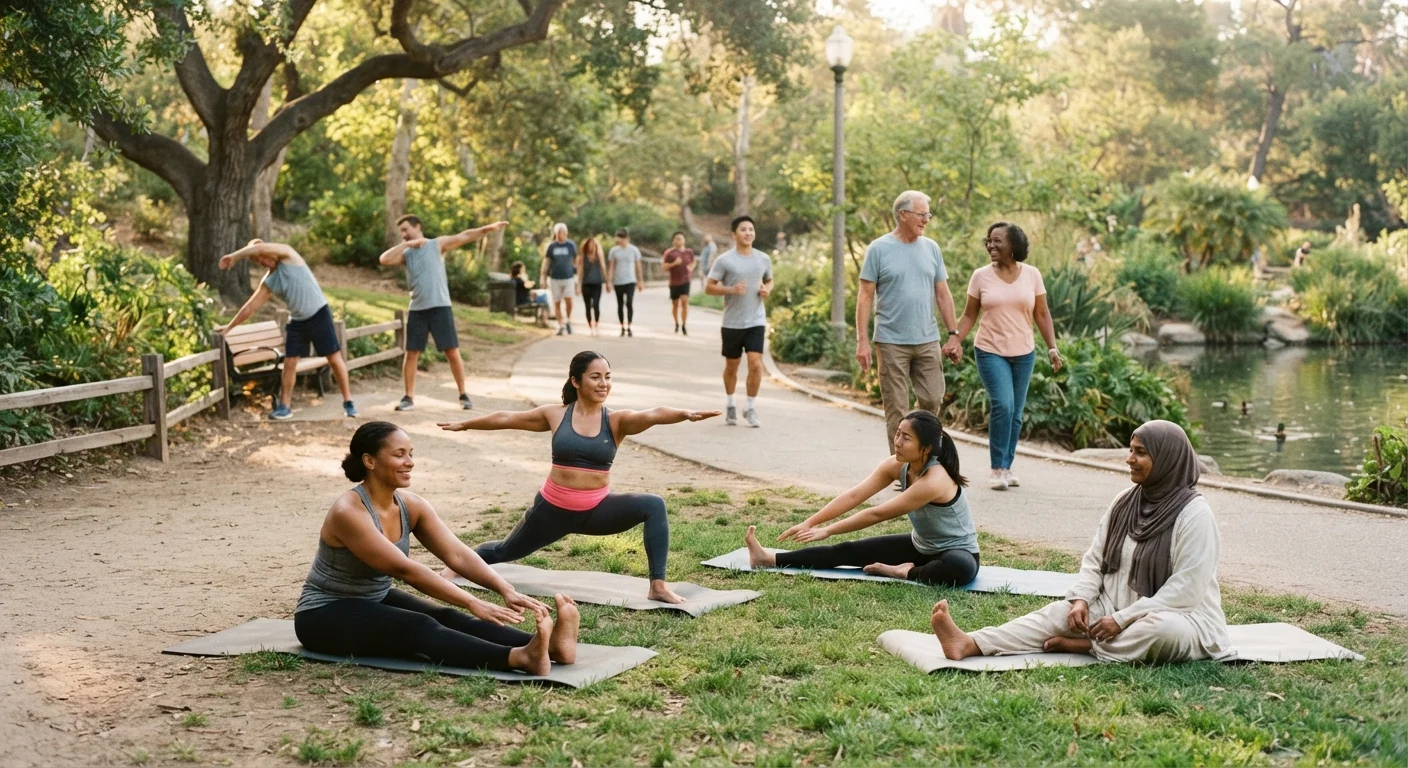
Photo credit: InGlimpse.com | Where Curiosity Finds Answers
Walking, strength training, yoga, and dance each affect mood differently. A look at what general research shows about exercise and emotional health.
Key Takeaways
- Different movement types — walking, strength training, yoga, dance — each affect mood and emotion in distinct ways.
- Research links regular physical activity to reduced anxiety and improved mood, though effects vary by person and activity.
- No single exercise type is universally superior for emotional health; the best choice is often what you'll do consistently.
- Social and rhythmic elements in activities like group classes or dance can add emotional benefits beyond physical exertion.
- Movement is a complement to — not a replacement for — professional mental health support when it's needed.
Why the Type of Movement Matters Emotionally
Most people know that exercise is broadly good for mental health. But the conversation often stops there, leaving out a more nuanced and useful truth: different types of physical activity appear to affect our emotional landscape in meaningfully different ways. The mechanisms behind those differences — from neurotransmitter shifts to social connection to the meditative quality of repetitive motion — are worth understanding.
This isn't about finding the "perfect" workout. It's about recognizing that what you choose to do with your body can be partly guided by what you're hoping to feel. For a broader look at how movement connects to mood at a research level, see what exercise research tells us about movement and mood.
The five activity types below represent common, accessible forms of movement — each with a distinct emotional profile based on general research findings. As always, individual responses vary, and this content is general health information, not personal medical advice.
Walking: Low Barrier, High Emotional Return
Walking may be the most underrated mood-support tool available. Research consistently links regular walking — particularly outdoors — to reduced rumination, lower perceived stress, and improved overall mood. One plausible reason: steady, low-intensity movement at a comfortable pace activates the parasympathetic nervous system, nudging the body away from a stress response.
Walking outdoors adds the potential benefits of natural environments, which some studies associate with reduced cortisol levels and a quieter internal mental dialogue. Even a 10–20 minute walk in a green space may shift emotional tone for many people, though individual responses differ.
For those weighing walking against more intense options, this comparison of walking and running covers how they differ on cardiovascular impact, joint stress, and accessibility.
Steady walking — especially outdoors — is consistently linked to reduced stress and improved mood across research settings.
Strength Training: Building More Than Muscle
Resistance training has a growing evidence base for emotional benefits that go beyond physical strength. Multiple studies suggest regular strength training is associated with reductions in anxiety symptoms and depressive mood, with some researchers pointing to the sense of mastery and self-efficacy that comes from measurable progress as a key psychological mechanism.
There's also a neurological dimension: lifting weights triggers the release of endorphins and may influence brain-derived neurotrophic factor (BDNF) — a protein involved in brain plasticity and mood regulation. For many people, strength training also provides a structured, goal-oriented outlet that helps channel difficult emotions productively.
The emotional payoff from strength training often builds gradually over weeks, so consistency tends to matter more than intensity, especially early on.
A sense of measurable progress and mastery may be as important as neurochemistry in explaining strength training's mood benefits.
Yoga: Where Breath Meets Emotional Regulation
Yoga stands apart from most exercise types because it explicitly integrates breathwork and present-moment attention into physical movement. Research on yoga and emotional health is generally positive, with multiple studies associating regular practice with reduced anxiety and stress, and some evidence pointing to benefits for low mood as well.
The breath-focused component is significant. Controlled, slow breathing activates the vagus nerve, which plays a central role in the body's relaxation response. This makes yoga particularly relevant for people whose emotional challenges are closely tied to physiological arousal — racing heart, shallow breathing, muscle tension.
Yoga also overlaps meaningfully with evidence-based emotional regulation strategies. Psychologists recommend several similar approaches — including mindful awareness and slowing the breath — for managing difficult feelings in daily life.
Yoga's integration of breathwork and body awareness makes it especially useful for people whose stress shows up physically.
Running and Rhythmic Cardio: Intensity and Release
Higher-intensity rhythmic activities — running, cycling, swimming — are the form of exercise most commonly associated with the well-known "runner's high," a transient sense of euphoria and reduced anxiety sometimes linked to endorphin release and, more recently in research, to the endocannabinoid system. That peak experience isn't guaranteed, but many regular runners and cyclists report a consistent post-exercise lift in mood.
Rhythmic cardio also tends to be effective at clearing mental clutter. The repetitive motor pattern can induce a mildly meditative state, reducing the kind of worry-based thinking that fuels anxiety. For some people, the sustained physical effort also provides a healthy outlet for stress and frustration.
Worth noting: intense exercise can temporarily disrupt sleep for some individuals if done close to bedtime. Since sleep and mood are closely linked — see how sleep and emotional health interact — timing matters.
The repetitive rhythm of sustained cardio can induce a meditative mental state, reducing anxious thinking for many people.
Dance and Group Movement: The Social Emotional Boost
Dance and group-based movement classes offer something the other activity types on this list often don't: a built-in social dimension. Research on social connection and mental well-being consistently shows that feeling connected to others is a powerful emotional buffer. Group movement classes — whether dance, aerobics, or team sports — layer that social benefit onto the physiological ones.
Dance specifically combines rhythm, music, expressive movement, and often physical touch or coordinated interaction, creating a multisensory experience that many people find uniquely mood-elevating. Music alone activates the brain's reward system; combining it with movement amplifies that effect for many people.
For those who find solo exercise isolating or motivationally difficult, group movement may offer the emotional scaffolding needed to build a sustainable habit. The Fitness & Movement hub offers additional ideas for building approachable, enjoyable activity habits into everyday life.
Group movement adds a social dimension that amplifies the mood benefits of exercise — connection and motion working together.
Finding What Works for You
The most emotionally beneficial form of exercise tends to be the one you'll actually do with some regularity. Enjoyment, accessibility, and personal meaning all shape how much emotional value you extract from movement — sometimes more than the activity's physiological profile alone.
Mix and Match for Broader Benefits
You don't need to commit to a single activity type to benefit emotionally from exercise. Many people find that combining a calming practice like yoga with more energizing movement like walking or dance covers more emotional terrain than any single type alone. Start with what feels accessible and enjoyable, then experiment from there.
It's also worth remembering that movement doesn't have to be structured to count. Everyday activities like gardening, housework, and walking to work contribute meaningfully to your daily movement totals and can carry their own emotional rewards.
Movement supports emotional well-being alongside other important pillars — including sleep, social connection, and emotional regulation skills. Explore those foundations in our practical overview of mental well-being. If you're navigating persistent low mood, anxiety, or other mental health concerns, please reach out to a qualified healthcare professional. Movement is a valuable tool in everyday wellness — but it works best as part of a broader, supported approach.
This article is for general informational purposes only and is not a substitute for professional medical or mental health advice. Consult a qualified healthcare provider for guidance specific to your circumstances.

Author
Health Editorial Team
Health Editorial Team is the collective byline for our editorial team and contributor network. Articles published under this byline or an editorial pen name are researched, written, and reviewed according to our editorial standards for clarity, consistency, and independence before publication.
View all articles →