
Digital Boundaries and Mental Health: Understanding Screen Time's Emotional Toll
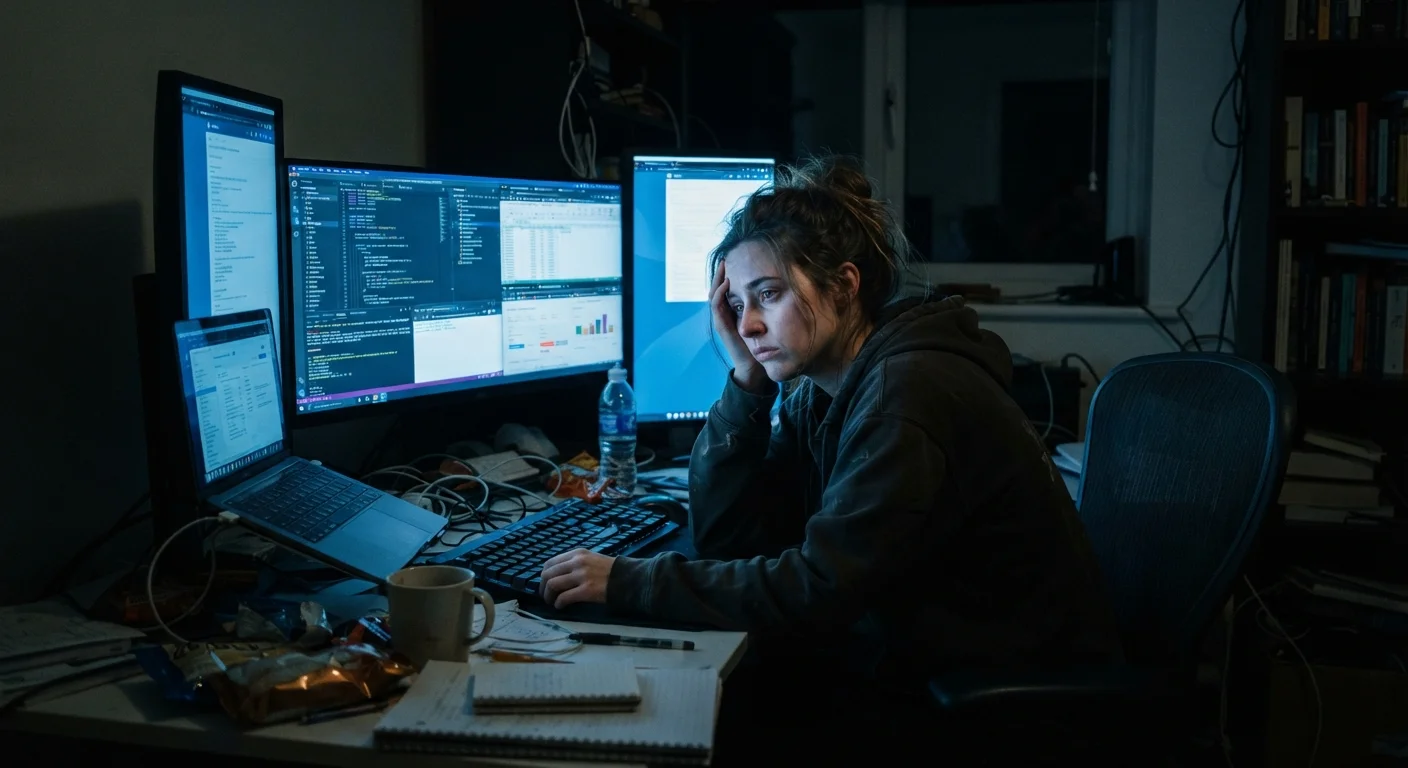
Photo credit: InGlimpse.com | Where Curiosity Finds Answers
In this article
Constant connectivity can quietly erode focus, sleep, and mood. Explore what the research suggests about screens and how to think about setting limits.
Key Takeaways
- High screen time — especially before bed — is linked to poorer sleep quality in multiple studies.
- Frequent social media use correlates with increased anxiety and lower mood in some populations.
- The type of screen use (passive scrolling vs. active creation) appears to matter as much as total duration.
- Setting digital boundaries is a normal mental wellness practice, not a sign of technology aversion.
- Small, consistent changes to screen habits can meaningfully support emotional well-being over time.
Why Screens and Emotional Health Are Linked
Most Americans now spend a significant portion of their waking hours engaging with screens — for work, communication, news, and entertainment. While digital tools offer genuine benefits, researchers have increasingly examined how prolonged or unstructured screen use affects the brain's emotional regulation systems.
The connection isn't straightforward. Screens themselves aren't inherently harmful; context, content, and timing all shape the effect. What the evidence does suggest is that certain patterns — late-night scrolling, passive social media consumption, and near-constant notification exposure — can quietly erode focus, mood, and sleep over time.
For a broader view of how sleep and emotional health interact, see how rest and mood influence each other.
7+ hrs
Average daily screen time for U.S. adults
Estimates from Nielsen and similar media research consistently place daily adult screen exposure above seven hours when combining all devices.
~30%
Adults reporting screen use disrupts their sleep
National Sleep Foundation surveys have found roughly one in three adults regularly uses a screen in bed before attempting to sleep.
2x
Higher depression risk linked to heavy passive social media use
Some observational studies have found that heavy passive social media consumption is associated with roughly double the likelihood of reporting depressive symptoms, compared to light or active use.
What Research Suggests About Screen Time and Mood
Studies exploring screen time and mental health have produced nuanced findings. Some consistent patterns have emerged, particularly around social media use and adolescent well-being, though researchers continue to debate the size and direction of effects in adults.
Passive use — scrolling feeds without posting or interacting — has been more consistently linked to lower mood and increased social comparison than active use, such as messaging friends or creating content. A large-scale review published in research journals on psychological health found that the type of engagement mattered considerably more than raw time spent on platforms.
Notification interruptions represent another documented concern. Frequent context-switching — moving attention between a task and a screen alert — taxes working memory and raises cortisol, the body's primary stress hormone. Over a full day, this accumulation can leave people feeling mentally depleted without a clear cause.
“The question is never whether to use technology, but whether we are using it consciously — or whether it is using us.”
— Cal Newport, Computer scientist and author focused on digital minimalism and deep work
Sleep: The Most Direct Pathway
Perhaps the most well-established link between screens and emotional health runs through sleep. Screens emit blue-spectrum light that signals the brain to suppress melatonin — the hormone that cues the body toward sleep. Using devices in the hour or two before bed can delay sleep onset and reduce overall sleep quality, even when total sleep time remains the same.
Poor sleep, in turn, amplifies negative emotional responses and weakens the brain's ability to regulate stress. This creates a feedback loop: screens disrupt sleep, disrupted sleep worsens mood, and low mood can drive more late-night scrolling as a coping habit.
Explore the two-way relationship between sleep and mood for a deeper look at this cycle and strategies that may help interrupt it.
Try a 'Screen Sunset' Routine
Putting devices away 45–60 minutes before your intended sleep time is one of the most consistently supported sleep hygiene practices. Use that window for a low-stimulation alternative — light reading, stretching, or conversation. The habit takes time to feel natural but tends to show results within a few weeks of consistent practice.
Setting Digital Boundaries: A Normal Wellness Practice
Digital boundaries have increasingly been discussed in mental health contexts as a component of everyday self-care — similar to sleep hygiene or stress management practices. They don't require eliminating technology; they involve being more intentional about when, where, and how it's used.
Common approaches include:
- Time-based limits: Setting consistent windows for checking email or social media rather than responding to every alert throughout the day.
- Device-free zones: Keeping the bedroom or dinner table screen-free to protect sleep and social connection.
- Notification management: Turning off non-essential push alerts to reduce the frequency of cognitive interruptions.
- Intentional offline time: Scheduling screen breaks during the workday, similar to how physical breaks support sustained focus.
Research also suggests that pairing reduced screen time with activities known to support mood — such as physical movement — may amplify benefits. Exercise and mood research offers useful context here.
Finding Your Own Balance
There is no universal prescription for the right amount of screen time. Individual differences in sensitivity, life demands, and the nature of work all influence what a sustainable digital routine looks like. The goal isn't elimination — it's alignment between screen habits and personal well-being priorities.
Paying attention to how you feel after different types of screen use is a practical starting point. If you consistently feel more anxious, distracted, or fatigued after certain activities, that's actionable information. Keeping a simple log — or trying reflective journaling — can help surface patterns that aren't obvious in the moment.
For those whose screen use is significantly affecting daily functioning or relationships, speaking with a licensed mental health professional is always a worthwhile step. This article is intended as general health information and is not a substitute for personalized clinical advice.
This article is for informational purposes only and does not constitute medical or psychological advice. Consult a qualified healthcare professional for guidance specific to your situation.
Frequently Asked Questions

Author
Health Editorial Team
Health Editorial Team is the collective byline for our editorial team and contributor network. Articles published under this byline or an editorial pen name are researched, written, and reviewed according to our editorial standards for clarity, consistency, and independence before publication.
View all articles →