
Credit and Debt: An End-to-End Resource for American Consumers
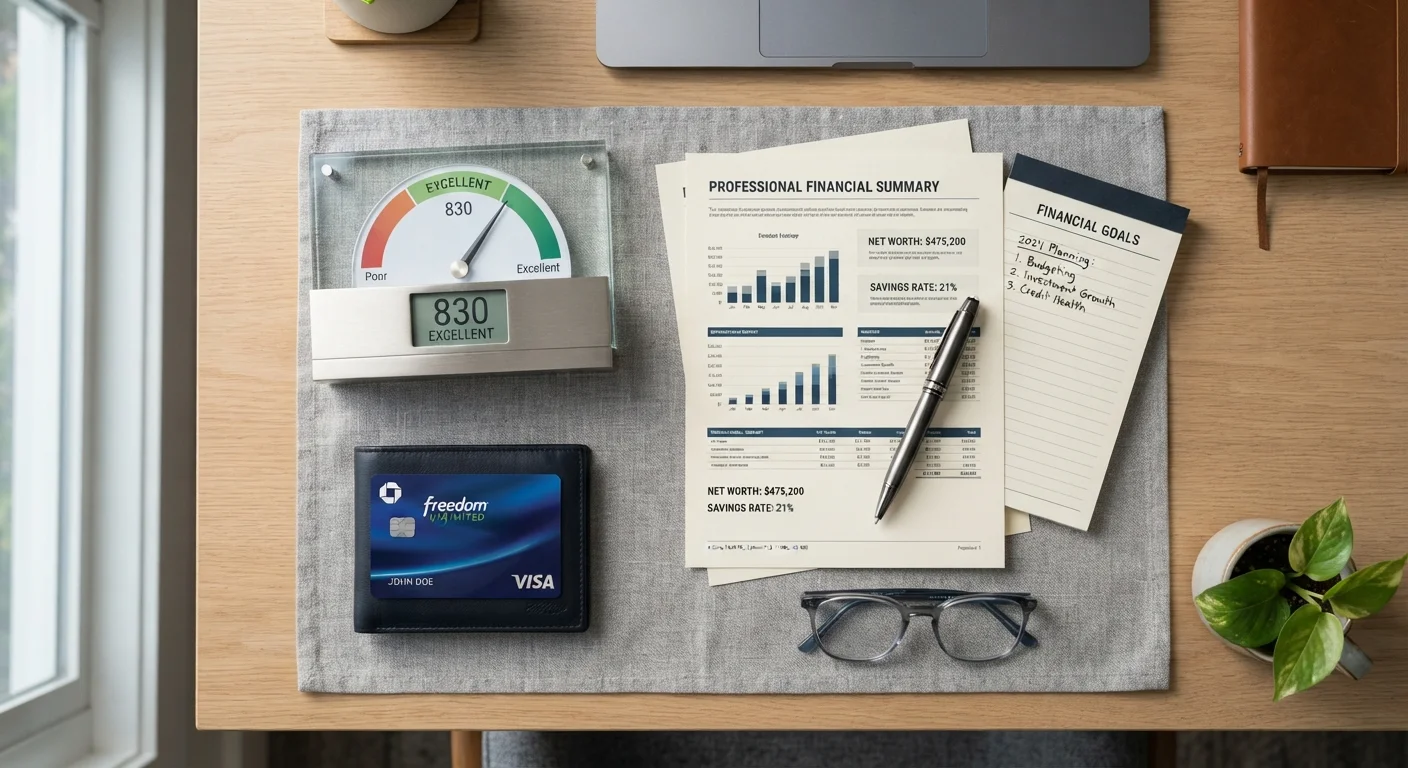
Photo credit: InGlimpse.com | Where Curiosity Finds Answers
In this article
From understanding your first credit card to navigating serious debt, this comprehensive guide covers every major concept in personal credit and debt management.
Key Takeaways
- Your FICO score is calculated from five weighted factors, with payment history carrying the most weight at 35%.
- You are entitled to a free credit report from each major bureau annually via AnnualCreditReport.com.
- Carrying high credit card balances relative to your limit — your utilization ratio — can significantly drag down your score.
- Debt repayment strategies like the avalanche and snowball methods offer structured paths out of high-interest debt.
- Building credit from scratch takes time but is achievable with secured cards, credit-builder loans, and consistent habits.
- Bankruptcy and debt settlement are last resorts with lasting credit consequences; consult a licensed professional before pursuing either.
How Credit Works: The Basics
Credit is simply an arrangement in which a lender extends money or purchasing power to a borrower, who agrees to repay it — usually with interest — over time. When you use a credit card, take out a car loan, or open a personal line of credit, you are participating in the credit system.
Lenders use your credit history to assess how reliably you have repaid past obligations. That history is compiled by three major credit bureaus — Equifax, Experian, and TransUnion — and translated into a numerical credit score. Landlords, insurers, and even some employers may also review elements of your credit history when making decisions.
If you are just getting started, see our foundational guide to credit and debt for a step-by-step introduction to how the system works before going deeper into the concepts below.
35%
Weight of payment history in FICO score
According to FICO, payment history is the single largest factor in calculating a standard FICO credit score.
$6,501
Average American credit card balance
TransUnion's 2024 consumer credit data reported average credit card balances exceeding $6,500 per borrower.
1 in 5
Americans with a credit report error
A Federal Trade Commission study found that roughly one in five consumers had an error on at least one of their three major credit bureau reports.
Understanding Your Credit Score
The most widely used credit scoring model is the FICO score, which ranges from 300 to 850. Scores are calculated from five weighted factors:
- Payment history (35%): Whether you pay on time. A single missed payment can have a meaningful negative impact.
- Amounts owed / Credit utilization (30%): How much of your available revolving credit you are using. Staying below 30% of your credit limit is a widely recommended guideline.
- Length of credit history (15%): How long your accounts have been open. Older accounts generally help your score.
- Credit mix (10%): The variety of account types you manage — cards, installment loans, mortgages, etc.
- New credit (10%): Recent applications for new credit, each of which generates a hard inquiry that can temporarily lower your score.
If you are carrying a balance close to your credit limit, consider making a mid-cycle payment before your statement closing date — your utilization is typically reported based on your statement balance, not your actual spending.
Credit card issuers generally report your balance to the bureaus on your statement closing date, so paying down balances before that date can lower the utilization ratio that actually appears on your report.
When comparison shopping for a mortgage, auto loan, or student loan, try to submit all applications within a 14–45 day window — FICO scoring models typically treat multiple inquiries for the same loan type within that period as a single inquiry.
Rate shopping is a normal part of responsible borrowing, and FICO's scoring logic is designed to allow it without penalizing consumers for seeking competitive offers.
Score ranges generally classify as follows: 800–850 (Exceptional), 740–799 (Very Good), 670–739 (Good), 580–669 (Fair), and below 580 (Poor). The better your score, the more favorable the interest rates and terms you are likely to qualify for — though individual lenders set their own thresholds.
This article provides general financial education and is not personalized financial or credit advice. Consult a licensed financial professional for guidance specific to your situation.
Reading and Monitoring Your Credit Report
Your credit score is derived from your credit report — a detailed record of your borrowing and repayment history. Under federal law, you are entitled to one free report from each of the three major bureaus every twelve months through AnnualCreditReport.com, the only federally authorized source.
Each report contains several key sections: personal identifying information, account history (open and closed accounts), hard inquiries from recent credit applications, and public records such as bankruptcies. Errors in any of these sections can unfairly lower your score.
Errors on Your Credit Report Can Cost You
A Federal Trade Commission study found that roughly one in five consumers had at least one error on a credit report that was significant enough to affect their score. Disputing inaccurate information is free and is your legal right under the Fair Credit Reporting Act (FCRA). Check all three bureaus separately — an error at one bureau will not automatically be corrected at the others.
For a detailed walkthrough of what every section means, see our field guide to reading your credit report. If you find an error, you have the right to dispute it directly with the bureau in question — and the bureau is required to investigate within 30 days.
Building Credit from the Ground Up
Having little or no credit history — sometimes called a "thin file" — can make it difficult to qualify for loans or favorable rates. Fortunately, several practical tools exist to help you establish a track record.
- Secured credit cards: Require a cash deposit that typically serves as your credit limit. Used responsibly, they report payment activity to the bureaus just like a standard card.
- Credit-builder loans: Offered by credit unions and some online lenders, these loans deposit funds into a held account while you make payments — building a payment history without needing existing credit.
- Becoming an authorized user: Being added to a family member's or trusted person's established credit card account can allow their positive history to appear on your report.
Our guide to secured cards and credit-builder loans covers each of these tools in greater detail, including how to evaluate which option fits your situation.
Managing Debt Responsibly
Not all debt is harmful, but unmanaged debt — particularly high-interest revolving debt like credit card balances — can compound quickly and strain your finances. Integrating debt management into a broader spending plan is essential; if you have not yet built a personal budget, our complete guide to personal budgeting is a strong starting point.
Two common repayment strategies are:
- The Avalanche Method
- Pay minimums on all debts, then direct extra funds toward the balance with the highest interest rate. This approach minimizes total interest paid over time.
- The Snowball Method
- Pay minimums on all debts, then focus extra payments on the smallest balance first. Paying off individual balances faster can provide psychological momentum.
Automate Minimum Payments First
Before focusing on accelerated debt payoff, set up autopay for the minimum payment on every account. This protects your payment history — the single largest factor in your credit score — while you work on a larger repayment strategy. Missing a minimum payment can trigger a late fee and a score drop even if you are otherwise financially disciplined.
Whichever method you choose, consistency is more important than perfection. Missing a payment — even occasionally — carries a disproportionately large negative impact on your credit score.
When Debt Becomes a Crisis: Options and Resources
When debt becomes unmanageable, several formal options exist — each with significant trade-offs that deserve careful consideration alongside a qualified professional.
- Nonprofit credit counseling: Agencies accredited by the National Foundation for Credit Counseling (NFCC) offer debt management plans (DMPs), which consolidate payments and may negotiate reduced interest rates with creditors.
- Debt settlement: Involves negotiating with creditors to accept less than the full amount owed. This typically causes significant credit damage and may create taxable income on the forgiven portion.
- Bankruptcy: Chapter 7 (liquidation) and Chapter 13 (repayment plan) are federal legal processes that provide relief from overwhelming debt but remain on your credit report for seven to ten years.
Beware of For-Profit Debt Relief Companies
Some for-profit debt settlement companies charge high fees, may advise you to stop paying creditors — which will damage your credit — and cannot guarantee outcomes. Look for nonprofit credit counseling agencies accredited by the NFCC or the Financial Counseling Association of America (FCAA) before engaging any third-party debt relief service. The Consumer Financial Protection Bureau (CFPB) also offers free resources for evaluating your options.
Before pursuing any of these options, consult a licensed financial counselor or bankruptcy attorney. The implications are long-lasting, and the right choice depends heavily on your individual circumstances, income, and the types of debt involved.
Long-Term Habits for a Strong Credit Profile
Good credit is maintained through consistent, everyday behaviors rather than one-time fixes. The most impactful habits include:
- Paying every bill on or before its due date — autopay can help ensure this.
- Keeping revolving balances well below your credit limits.
- Avoiding unnecessary applications for new credit accounts, which each generate a hard inquiry.
- Keeping older accounts open even if rarely used, to preserve your average account age.
- Periodically reviewing your credit reports for errors or unfamiliar accounts that may signal fraud.
For a deeper look at sustainable credit habits, see our guide on habits that support a strong credit profile over time. You may also find the resources available through our budgeting basics hub useful for keeping your overall financial picture on track.
AnnualCreditReport.com
The only federally authorized source for free annual credit reports from all three major bureaus — Equifax, Experian, and TransUnion.
Consumer Financial Protection Bureau (CFPB) Credit Tools
The CFPB offers free, unbiased guides on credit scores, credit reports, debt collection rights, and how to dispute errors under federal law.
National Foundation for Credit Counseling (NFCC)
A nonprofit network of accredited credit counselors who can help you build a debt management plan and improve your financial footing at little or no cost.
FICO Score Education
FICO's own educational resources explain exactly how scores are calculated, what impacts them, and how to interpret your score range.
This article is for general informational and educational purposes only and does not constitute personalized financial, credit, or legal advice. Consult a licensed financial adviser, credit counselor, or attorney for guidance tailored to your circumstances.

Author
Finance Editorial Team
Finance Editorial Team is the collective byline for our editorial team and contributor network. Articles published under this byline or an editorial pen name are researched, written, and reviewed according to our editorial standards for clarity, consistency, and independence before publication.
View all articles →