
Monthly Budget Review Checklist
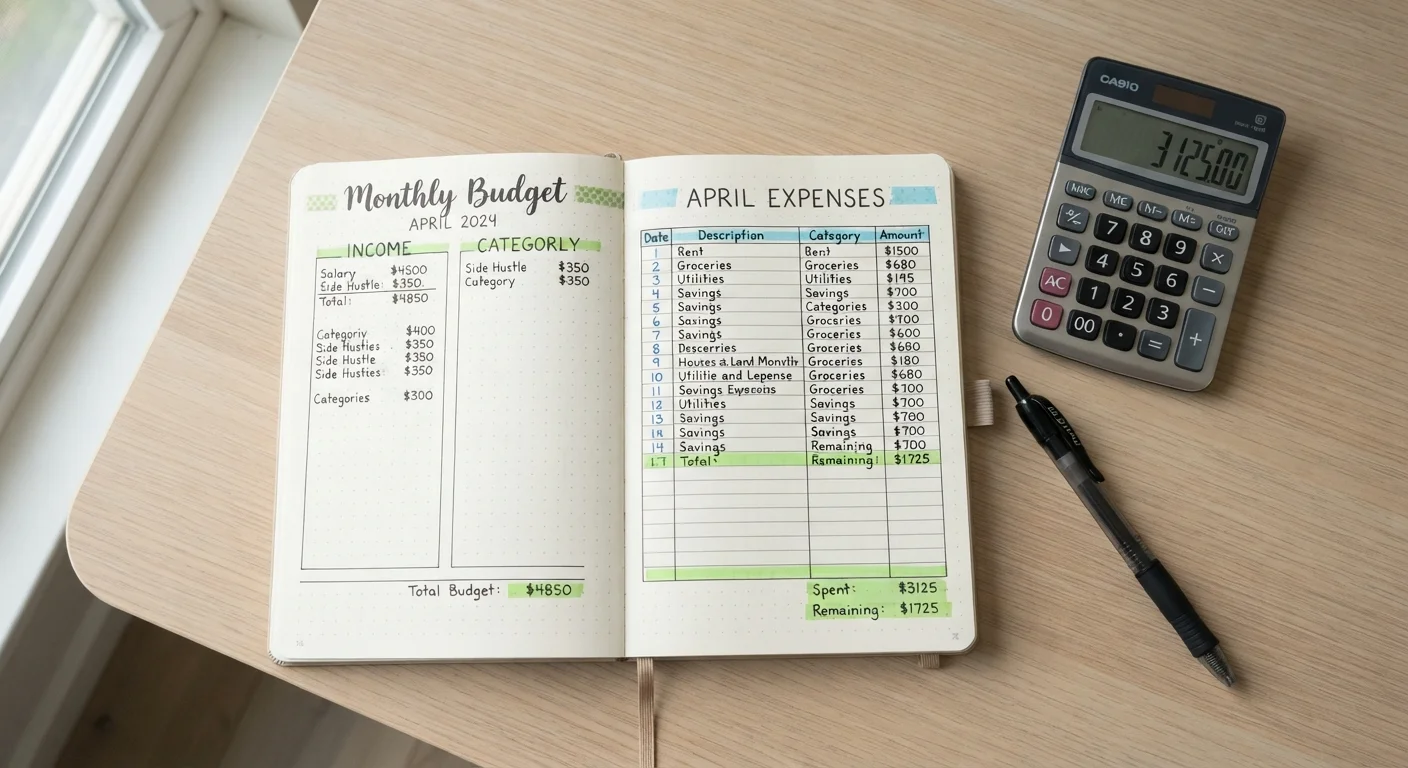
Photo credit: InGlimpse.com | Where Curiosity Finds Answers
In this article
Use this step-by-step checklist each month to compare planned versus actual spending, catch drift early, and adjust your budget.
Key Takeaways
- Comparing planned versus actual spending each month reveals patterns before they become problems.
- A consistent monthly review is one of the most effective habits for long-term financial stability.
- Even a 15-minute review can catch subscription drift, overspending, and forgotten irregular bills.
- Adjusting your budget monthly keeps it realistic and aligned with your actual life.
- Tracking income changes is just as important as monitoring expenses.
Why a Monthly Budget Review Matters
Building a budget is only half the equation. Without a regular review, even a well-constructed plan drifts quietly off course — a forgotten subscription here, an underestimated grocery bill there. Over time, small gaps compound into significant financial stress.
A monthly review closes that loop. It gives you a structured moment to compare what you planned with what actually happened, identify patterns, and make intentional adjustments before small problems grow large. This checklist is designed to make that process efficient, covering income, fixed and variable expenses, savings, and next-month planning.
If you're new to budgeting and need foundational guidance before diving into reviews, see Personal Budgeting From the Ground Up for a thorough introduction to core concepts. This checklist is also a key component of Personal Budgeting: The Complete Guide, which covers budgeting from foundational setup through long-term maintenance.
Don't Skip the Review After a Tough Month
It's tempting to avoid reviewing a month where spending went over budget. Skipping the review, however, means losing visibility into exactly which categories drifted and why — making it harder to course-correct next month. Treat a difficult month as the most important one to review, not the one to avoid.
Tools You'll Need
Gather the following before you start. Having everything in one place prevents the review from stalling mid-way.
Last month's bank and credit card statements
Provides the actual transaction data needed to compare spending against your budget plan.
Your existing budget (spreadsheet, app, or written plan)
The baseline against which you'll measure every planned versus actual comparison in this review.
Budgeting app or spreadsheet software
Used to update category totals, record adjustments, and carry changes forward into next month's budget.
List of recurring subscriptions
Helps you cross-reference auto-billing charges against what you're actively using and paying for.
Debt account statements
Lets you track balance movement month over month and verify minimum payments and extra payments were applied correctly.
The Monthly Budget Review Checklist
Work through each group in order. The checklist is organized to move logically from income verification through expense review, savings confirmation, and forward planning. Mark each item as complete before moving to the next group.
Income Verification
Fixed Expenses Audit
Variable Expenses Review
Savings and Debt Progress
Budget Adjustments
Forward Planning
Adjust the Budget — Not Just Your Habits
If you consistently overspend in a category month after month, the budget amount itself may be unrealistic rather than your behavior being the problem. A budget that doesn't reflect your actual life isn't a useful tool — it's a source of frustration. Adjust the numbers to be honest, then make intentional choices about where to reduce elsewhere to compensate.
Once you've completed your review, note any irregular or annual expenses coming up in the next 30–90 days. Bills like insurance premiums, vehicle registration, and subscriptions with annual billing cycles are among the spending categories most people forget to budget for. Building a small monthly reserve for these prevents scrambling when they arrive.
This article is for general informational and educational purposes only and does not constitute personalized financial, tax, or investment advice. Consult a qualified financial professional before making decisions specific to your situation.

Author
Finance Editorial Team
Finance Editorial Team is the collective byline for our editorial team and contributor network. Articles published under this byline or an editorial pen name are researched, written, and reviewed according to our editorial standards for clarity, consistency, and independence before publication.
View all articles →