
Vehicle Registration, Title, and Plates: What Each Document Actually Means
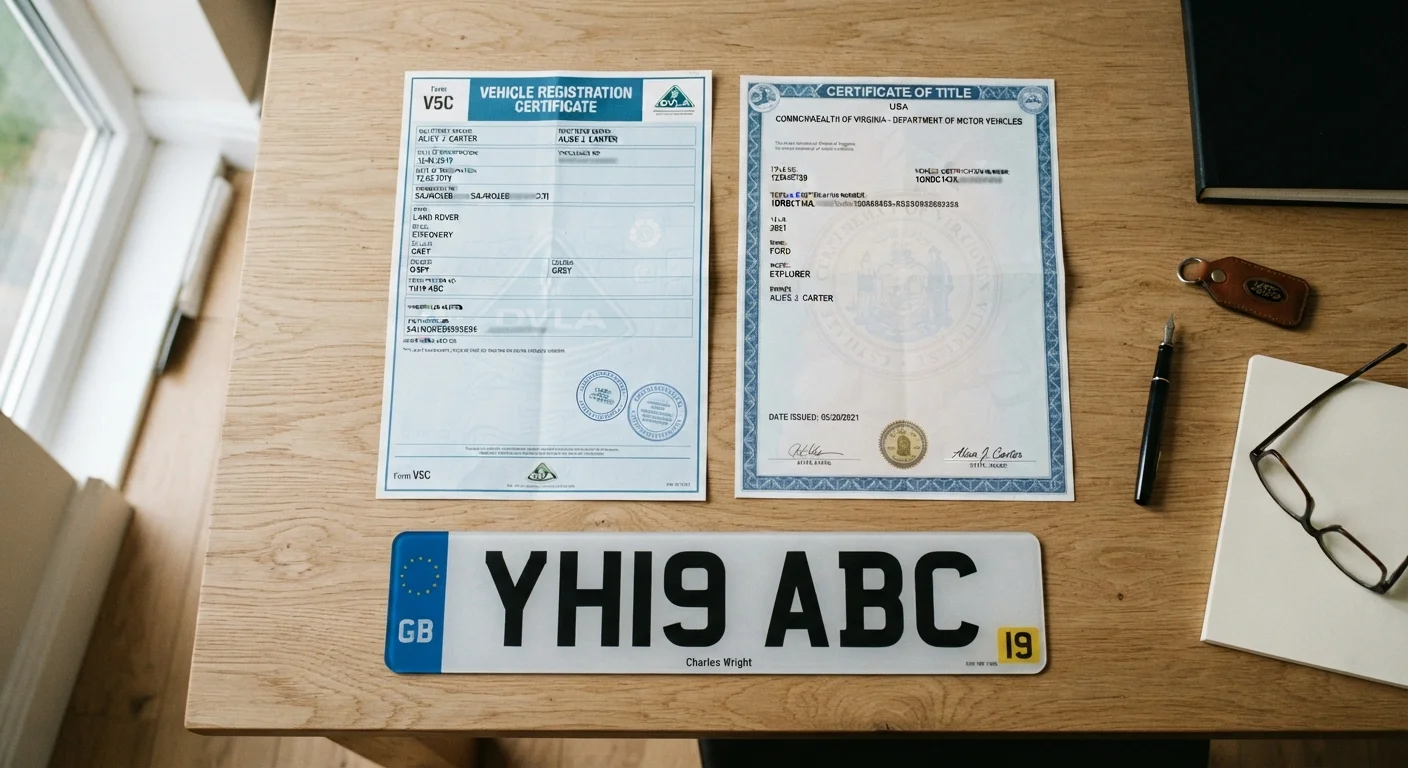
Photo credit: InGlimpse.com | Where Curiosity Finds Answers
In this article
Registration, title, and license plates are three different things. Here's what each one is, who issues it, and why it matters.
Three Documents, Three Different Jobs
Most drivers carry their registration in the glove box, display plates on their bumper, and store a title somewhere safe — but few can explain exactly what each one is or why they're different. They're not interchangeable, and confusing them can cause real problems when buying, selling, or insuring a vehicle.
| What a title proves | Legal ownership of the vehicle |
| What registration proves | Authorization to operate the vehicle on public roads |
| What license plates do | Publicly identify a registered vehicle |
| Who issues all three | Your state's motor vehicle authority (e.g., the DMV) |
| Registration renewal frequency | Typically annual, though some states offer multi-year options |
| Title transfer required when | Selling, gifting, or inheriting a vehicle |
Here's the clearest breakdown of what each document actually means, who issues it, and what it proves.
The Title: Proof of Ownership
A vehicle title — formally called a Certificate of Title — is the legal document that establishes who owns a vehicle. It's issued by your state's motor vehicle authority (often the DMV or an equivalent agency) and records the owner's name, the vehicle identification number (VIN), make, model, year, and any lienholder information (meaning the lender's name if a loan is outstanding against the vehicle).
If you financed your car, the lender typically holds the title until the loan is paid in full. Once the loan is satisfied, the lien is released and the clean title transfers to you. If you paid cash, you receive the title directly after the transaction.
When does the title matter most?
- When you sell the vehicle — you must sign over the title to transfer ownership legally.
- When you donate or gift the vehicle to another person.
- When a lender needs collateral documentation for a car loan.
- When settling an estate that includes a vehicle.
A salvage title indicates a vehicle was previously declared a total loss by an insurance company. A rebuilt or reconstructed title means it was repaired and reinspected. These designations affect insurability and resale value, so it's worth understanding them before purchasing a used vehicle. If you're navigating insurance terms connected to these situations, our insurance terminology guide explains key concepts like total loss and salvage in plain language.
The Registration: Permission to Use the Road
Vehicle registration is your state's confirmation that a specific vehicle is authorized to be operated on public roads. Unlike a title, registration must be renewed — typically annually — and it's what law enforcement checks during a traffic stop or inspection.
Certificate of Title
The legal document that establishes ownership of a vehicle. It records the owner's name, VIN, and any liens against the vehicle. Issued by the state's motor vehicle authority.
Lienholder
A lender or financial institution that holds a legal claim against a vehicle until a loan secured by that vehicle is fully repaid.
Salvage Title
A title designation indicating the vehicle was previously declared a total loss by an insurance company due to damage, theft recovery, or flood. It often affects insurance availability and resale value.
Vehicle Registration
State-issued authorization for a specific vehicle to operate on public roads. Requires renewal — typically annually — and proof of insurance and fee payment.
VIN (Vehicle Identification Number)
A unique 17-character code assigned to every motor vehicle. It appears on the title, registration, and the vehicle itself, and is used to track ownership history, recalls, and specifications.
Registration is tied to both the vehicle and its owner, and it requires the vehicle to meet certain conditions: proof of insurance, passing an emissions inspection in states that require it, and payment of registration fees. The amount varies widely by state and is sometimes based on the vehicle's value, weight, or age.
When you register a vehicle, you receive:
- A registration certificate — the paper document you keep in the vehicle.
- A registration sticker or decal — affixed to the license plate to show the current renewal year.
If you move to a new state, you'll generally need to re-register your vehicle in that state within a set window — often 30 to 90 days. Requirements vary, so check with your new state's DMV promptly. For a broader look at what happens in the first weeks of car ownership, see what to expect after you drive off the lot.
License Plates: The Public Identifier
License plates serve as the visible, public-facing identifier for a registered vehicle. They're issued by the state and must be displayed on the vehicle as required by state law — most states require a rear plate; some require front and rear.
Plates are linked to the vehicle's registration, not to the owner personally in most states. When you sell a vehicle, rules differ: some states allow you to transfer plates to your next vehicle; others require you to surrender them and obtain new ones. Always confirm your state's specific rules before making assumptions.
Plate Rules Vary Significantly by State
Some states let you keep and transfer your plates to a new vehicle when you sell your old one; others require you to surrender the plates and start fresh. A handful of states require both a front and rear plate, while most only mandate a rear plate. Before selling a vehicle or moving to a new state, confirm your state DMV's specific rules to avoid fines or registration gaps.
Specialty or personalized plates are available in most states for an additional fee. These can include vanity plates with custom text, plates supporting particular causes, or plates recognizing military service or organizational affiliation. The aesthetic choice doesn't affect the legal function.
Lost or stolen plates should be reported to your local DMV and law enforcement promptly. Driving with missing plates — even temporarily — can result in a traffic citation, and stolen plates can be misused by others.

Author
Autos Editorial Team
Autos Editorial Team is the collective byline for our editorial team and contributor network. Articles published under this byline or an editorial pen name are researched, written, and reviewed according to our editorial standards for clarity, consistency, and independence before publication.
View all articles →