
New Car vs. Used Car: Weighing the Trade-Offs Before You Decide
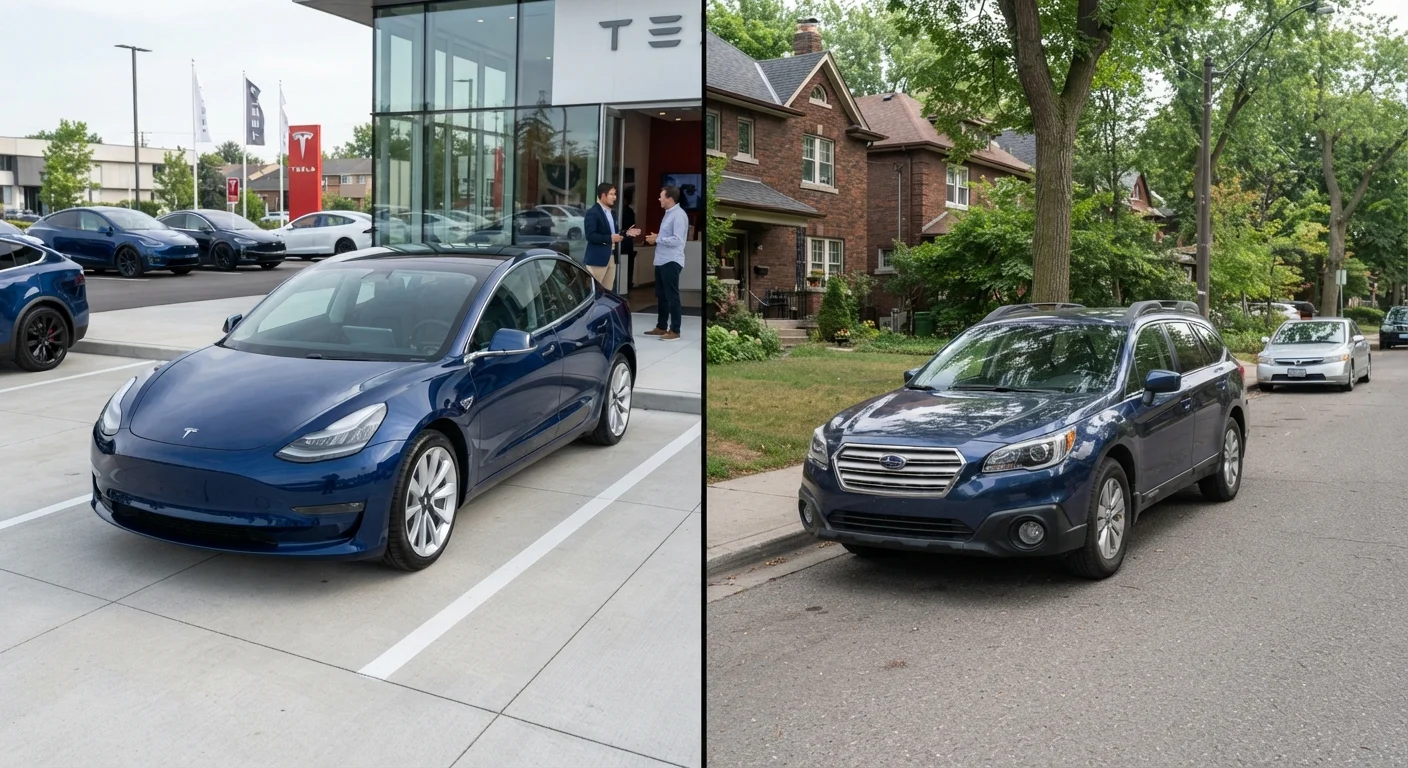
Photo credit: InGlimpse.com | Where Curiosity Finds Answers
In this article
New and used cars each carry distinct advantages and downsides. This breakdown helps you understand the key differences before committing.
Key Takeaways
- New cars cost more upfront but typically come with full warranties and the latest safety features.
- Used cars carry lower purchase prices but may come with unknown maintenance histories.
- Depreciation hits new cars hardest in the first two to three years of ownership.
- Certified pre-owned programs offer a middle ground with added inspection and warranty coverage.
- Your financing options, insurance costs, and long-term budget all shift depending on which path you take.
Full manufacturer warranty from day one
New cars come with a factory warranty covering defects and many mechanical failures, giving owners a defined period of protection against unexpected repair costs.
Latest safety technology included
Modern new vehicles typically include advanced driver-assistance systems such as automatic emergency braking and lane-keeping assist, which may not be available on older used models.
No unknown ownership history
With a new car, there's no guessing about how the previous driver treated the vehicle, whether maintenance was skipped, or if it was involved in a prior accident.
Financing rates are often lower on new vehicles
Lenders and manufacturers frequently offer promotional interest rates on new cars that are harder to find on used vehicle loans, which can partially offset the higher purchase price.
Significant depreciation in the first few years
New vehicles typically lose a notable portion of their value within the first two to three years, meaning the car is worth considerably less than you paid soon after purchase.
Higher purchase price and monthly payments
New cars cost more than comparable used models, which often translates to larger monthly loan payments and a higher total amount financed.
Insurance premiums tend to be higher
Because insurers base comprehensive and collision coverage on the vehicle's value, newer, more expensive cars generally carry higher insurance costs than older, less valuable ones.
Fewer options for budget-conscious buyers
At lower price points, the new car market offers limited choices, while the used market provides far more variety in features and body styles for the same dollar amount.
What You're Actually Comparing
The new-vs.-used decision isn't just about price. It touches your financing rate, insurance premiums, expected repair costs, and how quickly the vehicle loses value. Understanding these layers helps you make a choice grounded in reality rather than sticker shock or excitement.
A new car is factory-fresh with zero prior owners, while a used car (including certified pre-owned, or CPO) has at least one previous owner. CPO vehicles sit in a middle zone — they've been inspected and reconditioned by the manufacturer or dealer and typically carry a limited extended warranty. For a fuller look at how ownership and leasing compare financially, see how buying and leasing differ.
Full manufacturer warranty from day one
New cars come with a factory warranty covering defects and many mechanical failures, giving owners a defined period of protection against unexpected repair costs.
Latest safety technology included
Modern new vehicles typically include advanced driver-assistance systems such as automatic emergency braking and lane-keeping assist, which may not be available on older used models.
No unknown ownership history
With a new car, there's no guessing about how the previous driver treated the vehicle, whether maintenance was skipped, or if it was involved in a prior accident.
Financing rates are often lower on new vehicles
Lenders and manufacturers frequently offer promotional interest rates on new cars that are harder to find on used vehicle loans, which can partially offset the higher purchase price.
The Case Against Going New
New cars come with real drawbacks that deserve direct attention, not fine print.
Significant depreciation in the first few years
New vehicles typically lose a notable portion of their value within the first two to three years, meaning the car is worth considerably less than you paid soon after purchase.
Higher purchase price and monthly payments
New cars cost more than comparable used models, which often translates to larger monthly loan payments and a higher total amount financed.
Insurance premiums tend to be higher
Because insurers base comprehensive and collision coverage on the vehicle's value, newer, more expensive cars generally carry higher insurance costs than older, less valuable ones.
Fewer options for budget-conscious buyers
At lower price points, the new car market offers limited choices, while the used market provides far more variety in features and body styles for the same dollar amount.
Depreciation is the most significant. A new vehicle can lose a substantial portion of its value in its first few years — meaning if you sell or trade in early, you may owe more than the car is worth. For a full picture of these ongoing costs, the real cost of car ownership goes well beyond the monthly payment is worth reading before you commit.
What a Used Car Brings to the Table
Used vehicles make sense for a large share of American drivers, and not just because of price. Here's the realistic picture.
~50%
New car value lost in first 3 years
Industry estimates suggest new vehicles can depreciate by roughly half their original value within the first three years, making lightly used cars an attractive value proposition.
$28,000+
Typical average used car transaction price (US)
According to automotive market data, average used vehicle transaction prices have risen considerably, though they remain meaningfully below new car averages.
The most significant risk with a used car is uncertainty. Even a vehicle with modest mileage may have been driven hard, repaired poorly, or neglected between oil changes. Mileage alone doesn't tell the whole story — the odometer doesn't reveal a used car's full condition. Always request a vehicle history report and have an independent mechanic inspect the car before purchase.
Certified Pre-Owned: A Middle Ground
Certified pre-owned (CPO) programs are offered by most major manufacturers and require vehicles to pass a multi-point inspection before being sold with an extended limited warranty. CPO vehicles generally cost more than comparable non-certified used cars but less than new ones. The specific inspection criteria, warranty length, and coverage details vary by manufacturer, so review the CPO terms carefully before assuming what's included.
How to Think Through the Decision
A few practical questions can cut through the noise:
- How long will you keep it? If you plan to drive a vehicle for eight or more years, a new car's warranty advantage diminishes over time and the depreciation hit is spread out.
- What does your budget actually support? Monthly payment isn't the only number. Factor in insurance, registration, and likely maintenance costs. First-time owners in particular often underestimate these — a point covered in things new car owners frequently overlook.
- Is reliability non-negotiable? If you depend on your car daily with no backup option, a new or CPO vehicle reduces the risk of unexpected breakdowns.
- Are you comfortable doing research? Buying used well requires digging into service history, inspection reports, and market pricing. It rewards patience. See our guidance on car ownership and maintenance for first-time drivers for a practical starting point.
This article is for general informational purposes only and does not constitute financial or purchasing advice. Costs, financing terms, and vehicle values vary widely by location, market conditions, and individual circumstances. Consult a licensed professional before making significant financial decisions.

Author
Autos Editorial Team
Autos Editorial Team is the collective byline for our editorial team and contributor network. Articles published under this byline or an editorial pen name are researched, written, and reviewed according to our editorial standards for clarity, consistency, and independence before publication.
View all articles →