
Auto Insurance Basics: What Coverage Types Actually Cover
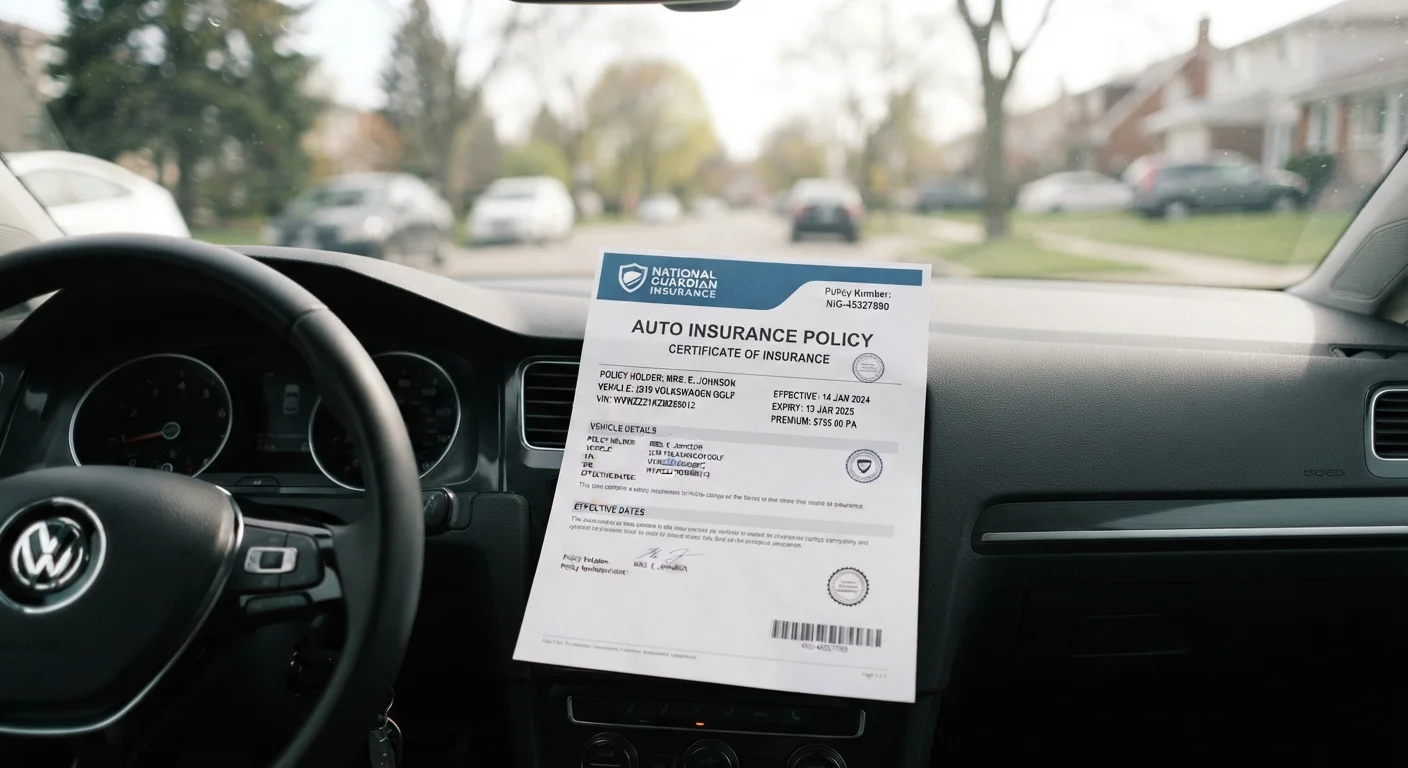
Photo credit: InGlimpse.com | Where Curiosity Finds Answers
In this article
Liability, collision, comprehensive — auto insurance terms can be confusing. This guide explains what each coverage type does and doesn't protect.
Key Takeaways
- Liability coverage pays for damage or injuries you cause to others — not your own vehicle.
- Collision coverage pays to repair or replace your car after an accident, regardless of fault.
- Comprehensive covers non-collision events like theft, hail, flooding, and animal strikes.
- Most states require minimum liability coverage, but that minimum often falls short in serious accidents.
- Uninsured/underinsured motorist coverage fills the gap when the other driver lacks adequate insurance.
- No single coverage type is complete on its own — most drivers need a combination.
Why Coverage Types Matter More Than the Premium
Most drivers focus on the monthly premium when shopping for auto insurance — understandably so. But the number on your bill tells you very little about whether you're actually protected. What matters is which coverage types are in your policy, what their limits are, and what they specifically exclude.
A policy with the bare legal minimum might look affordable until you're in a serious accident and discover your coverage ran out at $25,000 while the hospital bill hit $80,000. Understanding the building blocks of an auto policy — before you need to use it — is one of the more practical things a driver can do. For a broader look at how insurance categories work across different policy types, see Coverage Types.
~1 in 7
U.S. drivers estimated to be uninsured
According to the Insurance Research Council, roughly 14% of U.S. motorists were uninsured in a recent national estimate.
49 of 50
States requiring some form of liability coverage
Nearly every U.S. state mandates minimum liability insurance for registered vehicles, though required limits vary significantly by state.
$25,000–$100,000+
Typical range of average serious injury costs
Medical costs from serious auto accidents frequently exceed state-minimum liability limits, leaving at-fault drivers personally exposed to the difference.
Liability Coverage: Protecting Others, Not Yourself
Liability is the foundation of nearly every personal auto policy and is required by law in almost all U.S. states. It splits into two parts:
- Bodily injury liability — pays for medical expenses, lost wages, and legal costs for other people injured in an accident you caused.
- Property damage liability — covers repair or replacement costs for the other driver's vehicle or any other property you damage.
Here's what liability does not cover: your own medical bills and your own vehicle damage. If you cause an accident and your car is totaled, liability pays nothing toward your repairs. For a plain-English breakdown of how this coverage operates, liability coverage explained is worth reviewing.
State-mandated minimums are often written as three numbers — for example, 25/50/25 — representing per-person injury limits, per-accident injury limits, and property damage limits in thousands of dollars. These minimums frequently fall short in serious accidents.
Check Your Liability Limits, Not Just the Premium
State minimum liability limits are often set low enough to be inadequate for a serious accident. Consider whether your limits would realistically cover a multi-car crash or significant injury. Higher limits typically cost less than most drivers expect to add.
Collision and Comprehensive: Covering Your Own Vehicle
While liability looks outward, collision and comprehensive coverage focus on your own car.
Collision coverage pays to repair or replace your vehicle after it's damaged in a crash — whether you hit another car, a guardrail, or a telephone pole. Fault generally doesn't matter for your own collision claim. Both coverages carry a deductible: the amount you pay before the insurer steps in.
Comprehensive coverage handles losses that aren't caused by a collision. That includes theft, vandalism, fire, flooding, hail, falling objects, and collisions with animals. If a tree branch falls on your parked car or a hailstorm dents your roof, comprehensive is what responds.
Neither coverage is legally required in most states, but lenders typically require both if you're financing or leasing a vehicle. For a deeper comparison of how these two work together, auto insurance coverage decoded walks through the details.
The Coverage Gaps Most Drivers Overlook
Even a policy with liability, collision, and comprehensive leaves some meaningful gaps. Two coverage types address situations that are more common than many drivers expect:
- Uninsured/underinsured motorist (UM/UIM) coverage — pays for your injuries and sometimes your vehicle damage when the at-fault driver has no insurance or not enough to cover your losses. Estimates suggest roughly 1 in 7 U.S. drivers is uninsured, which makes this coverage more consequential than it might seem.
- Medical payments (MedPay) or personal injury protection (PIP) — covers medical expenses for you and your passengers, regardless of who caused the accident. PIP, required in no-fault states, can also cover lost wages and other costs.
No-Fault States Have Different Rules
In no-fault states, your own insurer pays your medical costs after an accident regardless of who caused it — that's what personal injury protection (PIP) covers. These states typically restrict your ability to sue the other driver except in cases of serious injury. Rules vary by state, so check your state's requirements.
Standard policies also exclude mechanical breakdowns, wear and tear, and personal property stolen from inside your vehicle (that may fall under a homeowners or renters policy instead). Knowing these exclusions in advance helps avoid surprises at claim time. For context on how auto liability connects to coverage in other policy types, how liability coverage works across policies explains the overlap.
This article is for general informational purposes only and does not constitute insurance, legal, or financial advice. Coverage terms, limits, exclusions, and state requirements vary by insurer and location. Consult a licensed insurance professional to understand what coverage is appropriate for your specific situation.
Frequently Asked Questions

Author
Autos Editorial Team
Autos Editorial Team is the collective byline for our editorial team and contributor network. Articles published under this byline or an editorial pen name are researched, written, and reviewed according to our editorial standards for clarity, consistency, and independence before publication.
View all articles →